
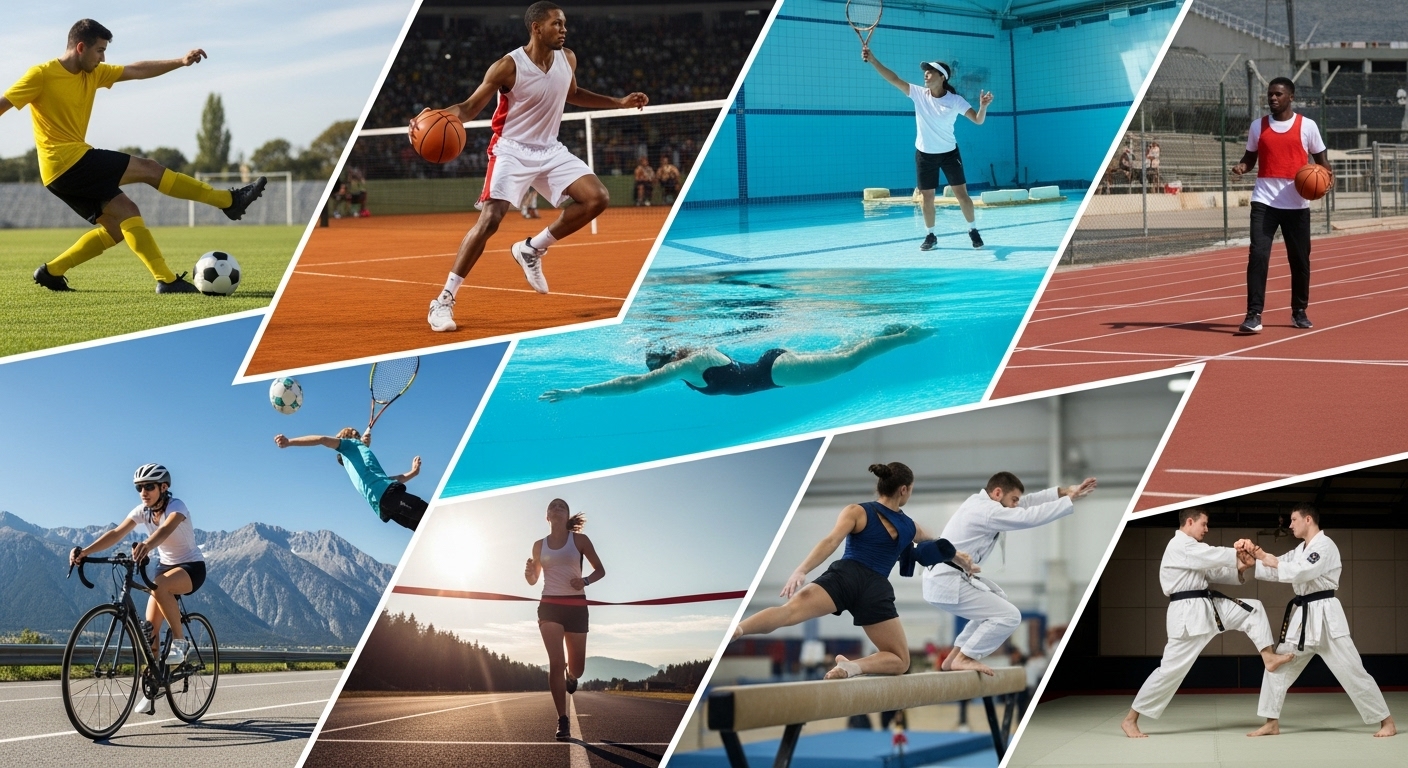
Sports have been an integral part of human civilization for centuries. From ancient gladiatorial contests to modern-day Olympic games, sports have evolved into a universal language that transcends culture, nationality, and language. The beauty of sports lies not only in competition but also in the values they instill—discipline, teamwork, resilience, and dedication. In this blog post, we explore the multifaceted world of sports, highlighting its impact on individuals and society, and diving into popular sports and their influence on culture.
The Historical Significance of Sports
Sports are not a modern invention. Historical evidence shows that humans have engaged in physical contests for thousands of years. Ancient civilizations, including the Greeks, Egyptians, and Romans, organized games and competitions that often held religious and social significance. The Olympic Games of ancient Greece, for example, were held in Olympia to honor the god Zeus and attracted athletes from all over the Greek world. These games included running, wrestling, discus throw, and chariot racing, highlighting the importance of physical prowess and skill.
Over centuries, sports continued to evolve, adapting to societal changes. The medieval period saw the rise of jousting tournaments and archery competitions in Europe. In Asia, martial arts such as Kung Fu, Judo, and Taekwondo developed, not only as methods of self-defense but as disciplined practices for personal development. These historical roots demonstrate that sports have always been a mirror of culture and values, reflecting societal priorities and shaping human interactions.
The Psychological and Physical Benefits of Sports
One of the most compelling reasons people engage in sports is the myriad benefits it provides, both physically and mentally. On a physical level, sports enhance cardiovascular health, build strength and flexibility, and improve coordination and endurance. Engaging in regular physical activity reduces the risk of chronic diseases such as obesity, diabetes, and heart conditions. For children and adolescents, sports are crucial in promoting healthy growth, developing motor skills, and establishing lifelong habits of fitness.
Psychologically, sports provide stress relief, improve mood, and boost self-esteem. Participating in sports encourages goal setting, resilience, and mental toughness. Athletes learn to cope with setbacks, handle pressure, and develop a competitive spirit that translates into everyday life. Furthermore, team sports foster collaboration and social interaction, teaching participants how to communicate effectively, support teammates, and handle interpersonal conflicts. These benefits underscore why sports are not merely recreational but essential for holistic development.
Popular Sports and Their Global Appeal
Different sports capture the imagination of people worldwide, often becoming cultural phenomena. Soccer, or football as it is known outside North America, is arguably the most popular sport globally. Its simplicity—requiring just a ball and open space—makes it accessible to virtually everyone. Major tournaments like the FIFA World Cup captivate billions of fans, showcasing not just athletic excellence but national pride.
Basketball, originating in the United States, has gained global popularity due to its fast-paced nature and dynamic gameplay. The NBA has become an international brand, inspiring young athletes worldwide to emulate their favorite stars. Similarly, cricket has a massive following in countries like India, Pakistan, Australia, and England. Known for its strategic depth and thrilling matches, cricket has become more than a sport—it is a cultural institution.
Other sports like tennis, athletics, swimming, and gymnastics also have dedicated global audiences. The Olympic Games serve as a unique platform where diverse sports converge, allowing athletes to compete on an international stage. These events not only highlight individual talent but also celebrate the diversity of sporting disciplines across the world.
The Role of Technology in Modern Sports
Technology has revolutionized the world of sports in unprecedented ways. Advanced equipment, performance analytics, and medical innovations have elevated athletic performance to levels previously unimaginable. Wearable devices track an athlete’s heart rate, speed, and movement patterns, providing real-time feedback to optimize training. Video analysis helps coaches correct techniques, analyze opponents, and develop effective strategies.
In professional sports, technology enhances fairness and transparency. Goal-line technology in football, Hawk-Eye systems in tennis and cricket, and instant replay in American football reduce human error and ensure accurate decisions. Fans also benefit from technology, with high-definition broadcasts, virtual reality experiences, and interactive applications bringing the action closer than ever. The intersection of technology and sports reflects the adaptability and continuous evolution of athletic pursuits.
Sports as a Catalyst for Social Change
Sports possess a unique power to inspire social change and promote inclusivity. Many athletes use their platforms to raise awareness about critical issues, from racial equality to mental health. Icons like Muhammad Ali, Serena Williams, and Megan Rapinoe have not only excelled in their respective fields but have also become voices for justice and empowerment.
Furthermore, sports promote social cohesion and community engagement. Local leagues, school competitions, and recreational clubs bring people together, fostering a sense of belonging and unity. In regions affected by conflict or poverty, sports programs provide opportunities for youth to stay active, develop life skills, and envision a better future. The universal appeal of sports enables it to bridge divides, foster empathy, and encourage cooperation among diverse communities.
The Business of Sports
The world of sports extends far beyond the playing field. It is a billion-dollar industry encompassing sponsorships, broadcasting rights, merchandise, ticket sales, and digital media. Professional leagues and tournaments generate enormous revenues, attracting global audiences and corporate partnerships. Athletes often become celebrities, endorsing brands and influencing trends in fashion, health, and lifestyle.
The commercialization of sports has both positive and negative implications. On one hand, it provides financial stability for athletes, facilitates infrastructure development, and allows fans worldwide to engage with the sport. On the other hand, excessive commercialization can overshadow the spirit of competition, prioritizing profit over integrity. Maintaining a balance between business interests and the essence of sports remains a challenge for administrators and fans alike.
Training, Discipline, and the Life of an Athlete
The journey of an athlete is a testament to discipline, perseverance, and passion. Behind every victory lies countless hours of practice, sacrifice, and mental fortitude. Training regimens are often rigorous, encompassing physical conditioning, technical drills, and mental preparation. Athletes must manage their diet, rest, and recovery carefully, as even minor lapses can affect performance.
Mental toughness is equally crucial. Athletes face pressure from expectations, competition, and public scrutiny. Handling failure gracefully, learning from mistakes, and maintaining focus are vital skills that determine long-term success. The life of an athlete is challenging, but it teaches resilience, time management, and the pursuit of excellence—qualities that extend beyond sports and into everyday life.
The Cultural Impact of Sports
Sports influence culture in profound ways, shaping identities, traditions, and social norms. National pride often finds expression through sporting achievements, with victories celebrated as collective accomplishments. Local festivals, school events, and community games reinforce cultural heritage, linking sports with history and tradition.
Moreover, sports inspire art, literature, and media. Films, documentaries, and books about athletes and competitions celebrate human determination, courage, and ambition. Music, fashion, and even language often reflect sporting influence, highlighting how deeply sports permeate everyday life. This cultural impact emphasizes that sports are not merely games—they are reflections of human creativity, passion, and values.
Challenges Facing the World of Sports
Despite its many benefits, the world of sports faces challenges that threaten its integrity and accessibility. Doping, match-fixing, and corruption undermine fairness and credibility, eroding public trust. Injuries and overtraining pose health risks to athletes, requiring careful monitoring and medical intervention.
Accessibility and inclusivity remain ongoing concerns. Socioeconomic disparities, gender inequality, and limited infrastructure prevent many from participating in sports. Addressing these issues requires concerted efforts from governments, organizations, and communities to create opportunities for all. Promoting diversity, equity, and safety ensures that sports remain a positive force in society.
The Future of Sports
The future of sports promises exciting developments and innovations. Esports, or competitive video gaming, has emerged as a global phenomenon, attracting millions of players and fans. Hybrid sports, combining physical and digital elements, are redefining how people engage with athletic competition.
Sustainability is also becoming a key focus. Sports organizations are adopting eco-friendly practices, from reducing stadium waste to promoting green transportation for events. Health and wellness initiatives are increasingly integrated into training programs, emphasizing the long-term well-being of athletes.
Furthermore, sports continue to be a platform for social activism and global unity. As technology connects fans worldwide, the potential for positive social impact through sports is unprecedented. The evolution of sports reflects humanity’s desire for growth, innovation, and connection, ensuring that its relevance will endure for generations.
Conclusion
Sports are more than just games—they are a reflection of human spirit, culture, and resilience. From ancient competitions to modern professional leagues, sports have shaped societies, inspired individuals, and fostered global connections. They provide physical, mental, and social benefits, teaching valuable life lessons about discipline, teamwork, and perseverance.
As we celebrate the achievements of athletes and the thrill of competition, it is essential to recognize the broader impact of sports on culture, society, and personal development. Whether played on a local field, in a professional arena, or virtually, sports unite people, inspire dreams, and drive progress. The world of sports continues to evolve, but its core values of passion, excellence, and integrity remain timeless.