
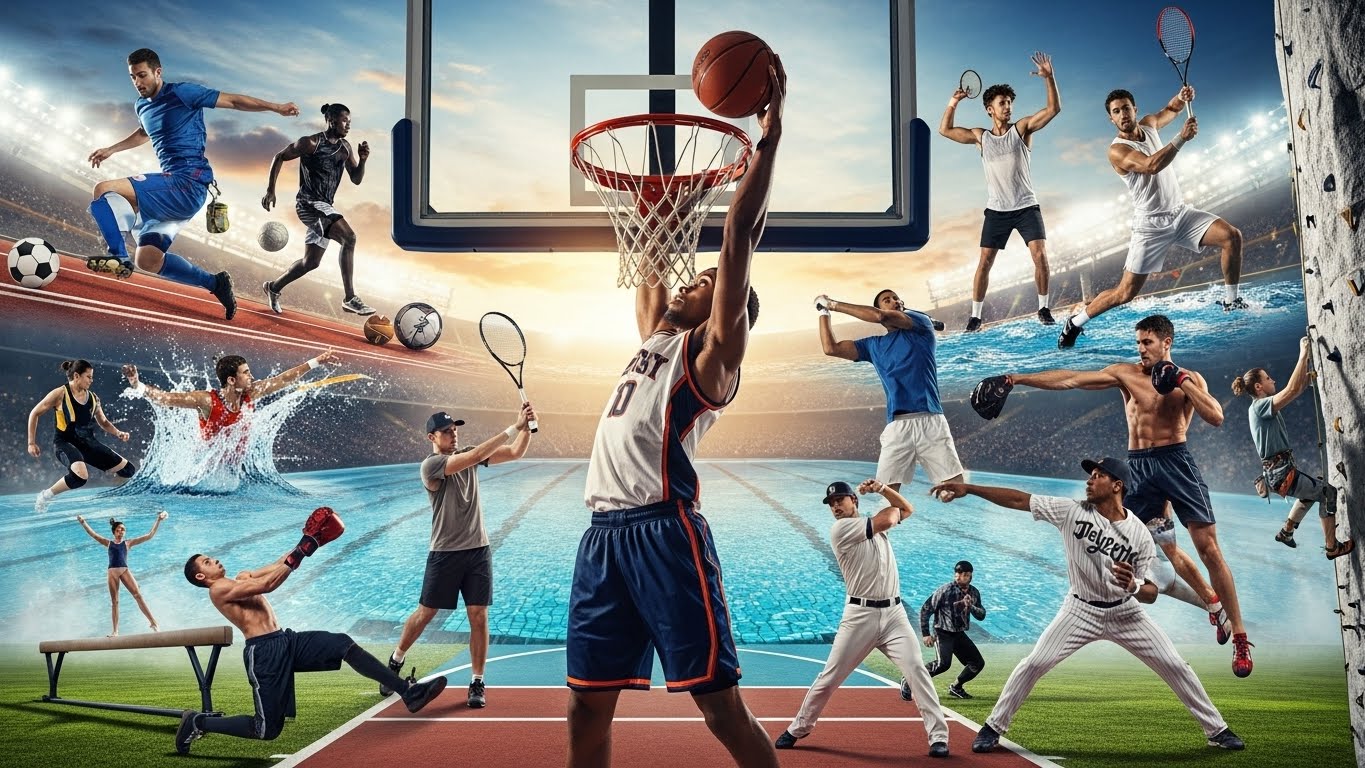
Introduction: Sports as a Universal Force
Sports are an integral part of human life, transcending cultures, languages, and generations. They are more than just games; they are a reflection of society, a stage for human potential, and a medium through which values are learned and shared. From children playing in the streets to athletes competing at the Olympics, sports influence both individuals and communities in profound ways. They inspire passion, build character, and unite people across boundaries that might otherwise divide them. In this exploration, we will delve into the many dimensions of sports and their lasting impact on life and society.
The Global Language of Sports
One of the most remarkable aspects of sports is their ability to act as a universal language. A goal scored in football, a slam dunk in basketball, or a finish line crossed in track evokes emotions that are instantly recognizable across the globe. This shared understanding fosters connections among people who may have nothing else in common. Sports allow individuals to experience joy, disappointment, and excitement collectively, creating a bond that transcends nationality, language, and culture. International competitions, such as world championships or global tournaments, emphasize this unity, proving that the love for sport is a human trait rather than a cultural phenomenon.
Building Character Through Sports
Sports are a profound teacher of life skills. Participation in sports instills discipline, focus, perseverance, and resilience. Young athletes learn the importance of consistent practice, time management, and handling both success and failure with grace. While winning builds confidence, losing teaches humility and the ability to rebound from setbacks. These lessons extend beyond the playing field and become valuable traits in education, career, and personal relationships. The discipline developed through sports often translates into lifelong habits, fostering personal growth that is as important as physical achievement.
Teamwork and Collaboration
Team sports, in particular, highlight the significance of collaboration. Individuals learn that collective effort often surpasses individual talent. Athletes discover how to communicate effectively, understand roles, and trust others to fulfill their responsibilities. These lessons in teamwork are transferable to all areas of life, including professional environments, family dynamics, and social interactions. Understanding that one’s efforts contribute to a larger goal encourages empathy, cooperation, and a sense of responsibility, essential skills for personal and societal development.
Mental Health and Emotional Benefits
The impact of sports on mental health cannot be overstated. Physical activity triggers the release of endorphins, chemicals in the brain that improve mood and reduce stress. Participation in sports offers a constructive outlet for emotions, allowing individuals to channel energy, confront fears, and manage anxiety. Moreover, sports foster self-confidence, resilience, and a sense of achievement. Athletes learn to set goals, face challenges, and persist despite difficulties, developing mental toughness that proves invaluable in all areas of life. Beyond the individual level, collective experiences in sports, such as cheering for a team, can also bring joy and reduce feelings of isolation, strengthening emotional well-being.
Sports as a Tool for Community Building
Sports have the power to bring people together, fostering community spirit and social cohesion. Local leagues, school tournaments, and neighborhood games create opportunities for interaction, collaboration, and shared celebration. Even in professional settings, sports events unite fans, creating shared experiences and traditions. Community involvement in sports encourages civic pride, strengthens relationships, and provides a common identity for diverse groups. From small towns where local teams are the center of social life to cities hosting major sporting events, the influence of sports on communal life is profound and enduring.
Physical Health and Fitness
While the mental and social benefits of sports are substantial, the physical advantages are equally significant. Regular participation in sports improves cardiovascular health, strengthens muscles, enhances flexibility, and boosts overall physical endurance. Sports provide a motivating and enjoyable form of exercise, encouraging individuals to maintain healthy lifestyles. For children, participation in sports promotes active habits that counter sedentary behavior, while adults benefit from opportunities to stay fit and reduce the risk of chronic diseases. Engaging in sports regularly also fosters long-term health awareness, encouraging individuals to prioritize nutrition, rest, and overall wellness.
Inspirational Role of Athletes
Athletes often serve as symbols of dedication, resilience, and achievement. Their stories inspire people to pursue their goals, overcome obstacles, and believe in their potential. Beyond their victories and records, the journeys of athletes demonstrate the value of hard work, perseverance, and self-discipline. Sports heroes, whether on a local or global stage, remind us that greatness is often the result of consistent effort rather than innate talent alone. Their experiences motivate both young and old to push boundaries, challenge limitations, and pursue excellence in their own lives.
The Emotional Experience of Being a Fan
Being a sports fan is a unique emotional journey. Fans experience excitement, anxiety, joy, and sometimes heartbreak as they follow their favorite teams and players. This emotional engagement fosters a sense of connection and loyalty, not only to the team but to fellow supporters. Sports fandom often transcends generational divides, creating traditions that are passed down through families. Watching a match together, celebrating victories, and mourning defeats become shared experiences that strengthen social bonds and create lifelong memories.
Technology and the Evolution of Sports
Advancements in technology have transformed the way sports are played, analyzed, and experienced. Innovations such as performance-tracking devices, video analysis, and advanced training equipment have improved athletic performance. At the same time, media technology allows fans to follow games in real time, access detailed statistics, and engage with sports communities online. Despite these changes, the essence of sports—the thrill of competition, the display of skill, and the spirit of sportsmanship—remains unchanged. Technology enhances the experience without diminishing the timeless appeal of athletic endeavor.
Promoting Inclusivity and Accessibility
Modern sports increasingly prioritize inclusivity and accessibility, expanding opportunities for diverse groups of people. Adaptive sports for individuals with disabilities, women’s sports, and youth leagues focused on inclusion ensure that more people can participate and benefit from the positive aspects of sports. This approach reinforces the idea that sports are for everyone, fostering equality and social integration. By promoting inclusivity, sports serve as a platform for breaking down barriers, challenging stereotypes, and celebrating diversity in all its forms.
Sports and Cultural Identity
Sports often play a key role in cultural identity, reflecting the values, traditions, and history of a community or nation. National teams, local clubs, and traditional games can serve as expressions of cultural pride and heritage. Participation in sports often strengthens the connection to one’s roots, providing a sense of belonging and continuity. This cultural dimension of sports is evident during major international tournaments, where athletes carry not only their personal ambitions but also the hopes and pride of their nations.
Lifelong Lessons from Sports
Sports are a microcosm of life, teaching lessons that extend far beyond the playing field. Discipline, perseverance, teamwork, resilience, and respect are values that athletes internalize and carry throughout life. Sports also teach adaptability, strategic thinking, and the importance of preparation. The highs and lows of competition mirror real-life challenges, providing a safe environment to experience success, failure, and personal growth. The lifelong impact of these lessons underscores the importance of encouraging participation in sports from a young age.
Conclusion: The Enduring Legacy of Sports
Sports are far more than entertainment. They are a powerful force that shapes character, strengthens communities, promotes health, and inspires individuals to reach their potential. They bring joy, challenge limits, and create connections that transcend boundaries. Whether through participation, spectating, or community involvement, sports influence every facet of human life. The essence of sports lies not in the scores or the trophies but in the spirit they instill—passion, perseverance, teamwork, and unity. In a rapidly changing world, the enduring legacy of sports remains a constant reminder of the human capacity to strive, connect, and grow.