
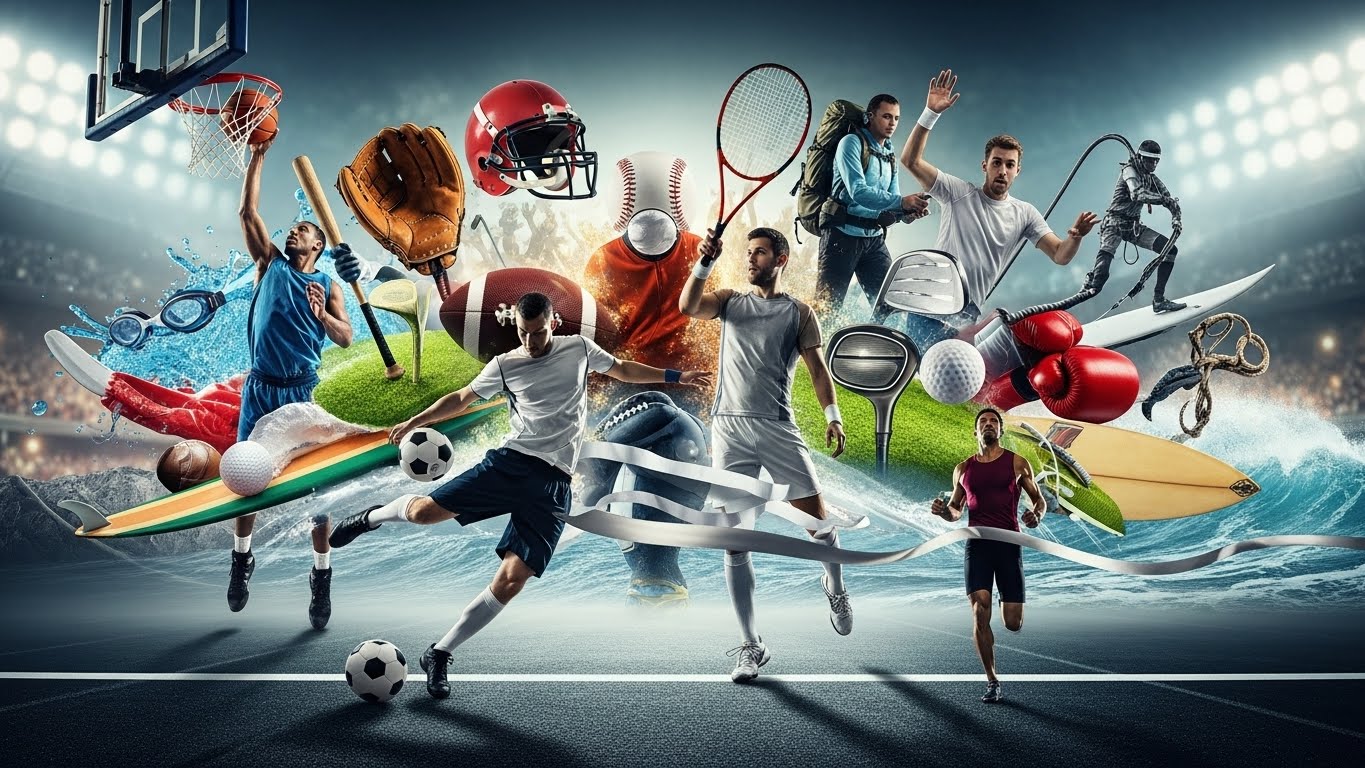
Introduction: The Power of Sports
Sports have been an integral part of human civilization for thousands of years. From ancient Olympic games to modern-day global tournaments, sports transcend borders, languages, and cultures. They entertain, inspire, and unite people in ways few other activities can. Beyond mere physical activity, sports influence society, shape identities, and teach invaluable life lessons. Understanding the multifaceted impact of sports helps us appreciate why they hold such a central place in human culture and why investing time, effort, and resources into them can yield benefits far beyond the playing field.
The Physical Benefits of Sports
Engaging in sports has undeniable physical benefits. Regular participation improves cardiovascular health, strengthens muscles and bones, and enhances coordination and flexibility. Team sports like soccer, basketball, and rugby require constant movement, stamina, and quick reflexes, while individual sports like swimming, running, and gymnastics focus on endurance, agility, and personal skill development. Sports also help combat lifestyle-related health issues such as obesity, high blood pressure, and diabetes. Beyond fitness, physical activity through sports promotes better sleep, stronger immunity, and a longer lifespan. The combination of discipline and consistent training makes sports an excellent tool for overall wellness.
Mental and Emotional Benefits
Sports are not only beneficial for the body but also for the mind. Participation encourages mental resilience, focus, and emotional regulation. Athletes often develop the ability to handle pressure, think strategically, and stay calm in high-stress situations. Engaging in competitive or recreational sports also reduces stress, anxiety, and depression by releasing endorphins—the brain’s natural mood enhancers. Team sports foster camaraderie, communication skills, and empathy, while individual sports encourage self-reliance, discipline, and personal accountability. The psychological advantages of sports make them a powerful tool for mental well-being in both youth and adulthood.
Building Character and Life Skills
Sports teach lessons that go far beyond physical performance. They instill discipline, perseverance, and work ethic, essential traits in both personal and professional life. Winning gracefully and losing with dignity are lessons in humility and resilience. Athletes learn to set goals, handle setbacks, and continually push their boundaries, developing a growth mindset that applies well outside the sports arena. Leadership, teamwork, time management, and problem-solving are cultivated naturally through sports participation. For young people especially, sports provide a safe environment to learn these skills, preparing them for challenges in education, careers, and social relationships.
Sports as a Cultural Phenomenon
Sports are deeply woven into the fabric of societies around the world. They serve as a reflection of cultural values and traditions while also shaping national identities. Cricket is almost a religion in countries like India, Pakistan, and Australia, while soccer dominates in Europe, South America, and Africa. Basketball, baseball, rugby, and martial arts hold particular cultural significance in different regions. Sporting events bring communities together, creating shared experiences and a sense of belonging. They also act as platforms for celebrating diversity, promoting gender equality, and breaking down racial and social barriers.
The Economic Impact of Sports
Sports are not only a source of entertainment but also a significant economic driver. Professional leagues, tournaments, and sporting events generate billions of dollars in revenue globally. They create jobs for athletes, coaches, referees, event organizers, media professionals, and many others. Sports tourism contributes to local economies, as fans travel to watch games or participate in recreational activities. Sponsorships, merchandise, and broadcasting rights further fuel the economic ecosystem around sports. Even grassroots sports programs stimulate local business growth by attracting participants, parents, and spectators. The financial footprint of sports underscores their importance beyond mere physical activity.
Women in Sports: Breaking Barriers
Historically, sports have been male-dominated, but women’s participation has grown exponentially over the past decades. Female athletes are not only excelling in their respective fields but also challenging stereotypes and advocating for equality. Iconic figures in tennis, athletics, football, and gymnastics have become global role models, inspiring younger generations to pursue sports regardless of gender. The rise of women’s leagues, tournaments, and media coverage has helped reshape societal perceptions, proving that talent and dedication are not bound by gender. Continued investment in women’s sports ensures a more inclusive and diverse sporting world.
Youth Sports and Education
Youth participation in sports is crucial for personal development and education. Schools and community programs use sports as a tool to teach discipline, teamwork, and social skills. Young athletes learn to balance academics and physical activity, manage time effectively, and develop healthy habits early in life. Youth sports also provide opportunities for scholarships, higher education, and professional careers. Furthermore, early exposure to sports fosters a lifelong love of physical activity, which is essential for maintaining a healthy lifestyle. Encouraging children to participate in sports is an investment not only in their physical fitness but also in their future success.
The Role of Technology in Modern Sports
Technology has transformed how sports are played, viewed, and analyzed. From wearable devices tracking performance to video-assisted refereeing, technology enhances fairness, precision, and athlete training. Analytics platforms provide insights into player performance, injury prevention, and strategy development, giving teams a competitive edge. Fans enjoy immersive experiences through live streaming, virtual reality, and interactive apps that bring them closer to the action. Even stadium infrastructure has evolved with advanced lighting, seating, and crowd management systems. Technology’s integration into sports ensures continuous improvement and greater engagement for both athletes and audiences.
Sports and Social Change
Sports have historically played a role in promoting social change. Athletes often use their platforms to advocate for human rights, environmental sustainability, and equality. Iconic moments in history, such as breaking racial barriers or advocating for gender equality, demonstrate the power of sports to influence societal norms. By uniting people across diverse backgrounds, sports can promote inclusivity and inspire collective action toward positive change. The universal language of sports allows athletes and organizations to address issues that transcend politics, culture, and geography, making them agents of social transformation.
The Psychology of Competition
Competition is at the heart of sports, driving individuals and teams to push their limits. The psychology of competition involves understanding motivation, focus, and mental toughness. Athletes develop a mindset that balances confidence with humility, preparation with adaptability, and aggression with sportsmanship. Mental conditioning techniques, including visualization, mindfulness, and goal-setting, are increasingly recognized as critical components of success. By studying and applying sports psychology principles, athletes can maximize performance while maintaining mental well-being, demonstrating that sports are as much a mental game as a physical one.
Global Sporting Events and Unity
Events like the Olympics, FIFA World Cup, and international championships showcase sports’ power to unite the world. Athletes from diverse nations compete on a global stage, creating moments of shared excitement, pride, and inspiration. These events encourage cultural exchange, foster international cooperation, and highlight human potential. Beyond medals and trophies, they celebrate perseverance, dedication, and the pursuit of excellence. Global sporting events remind us that, despite differences in language, religion, or nationality, we can all find common ground through the love of sports.
The Future of Sports
The future of sports promises innovation, inclusivity, and sustainability. Emerging technologies such as virtual reality, artificial intelligence, and wearable sensors will continue to enhance athlete training and fan experiences. Esports, a rapidly growing domain, is redefining what it means to compete, attracting millions of participants and spectators worldwide. Sustainability efforts are ensuring that stadiums, tournaments, and training facilities minimize environmental impact. Sports will continue to evolve, blending tradition with innovation while remaining a source of inspiration, education, and entertainment for generations to come.
Conclusion: Sports as a Reflection of Life
Sports are more than just games—they are a reflection of life itself. They teach us discipline, perseverance, and the value of teamwork. They inspire us to dream big, push boundaries, and embrace challenges. They connect communities, celebrate diversity, and foster unity on a global scale. In an ever-changing world, sports remain a constant, offering lessons, opportunities, and experiences that transcend the boundaries of the playing field. By recognizing the multifaceted impact of sports, we can appreciate their true value—not just as entertainment, but as a powerful force that shapes individuals, communities, and society as a whole.
The significance of sports lies in their ability to cultivate character, inspire excellence, and bring people together. Whether on the local playground or the global stadium, sports challenge us to be our best selves, reminding us that victory is not only measured in scores but also in personal growth, resilience, and the connections we build along the way.