Introduction: The Universal Influence of Sports
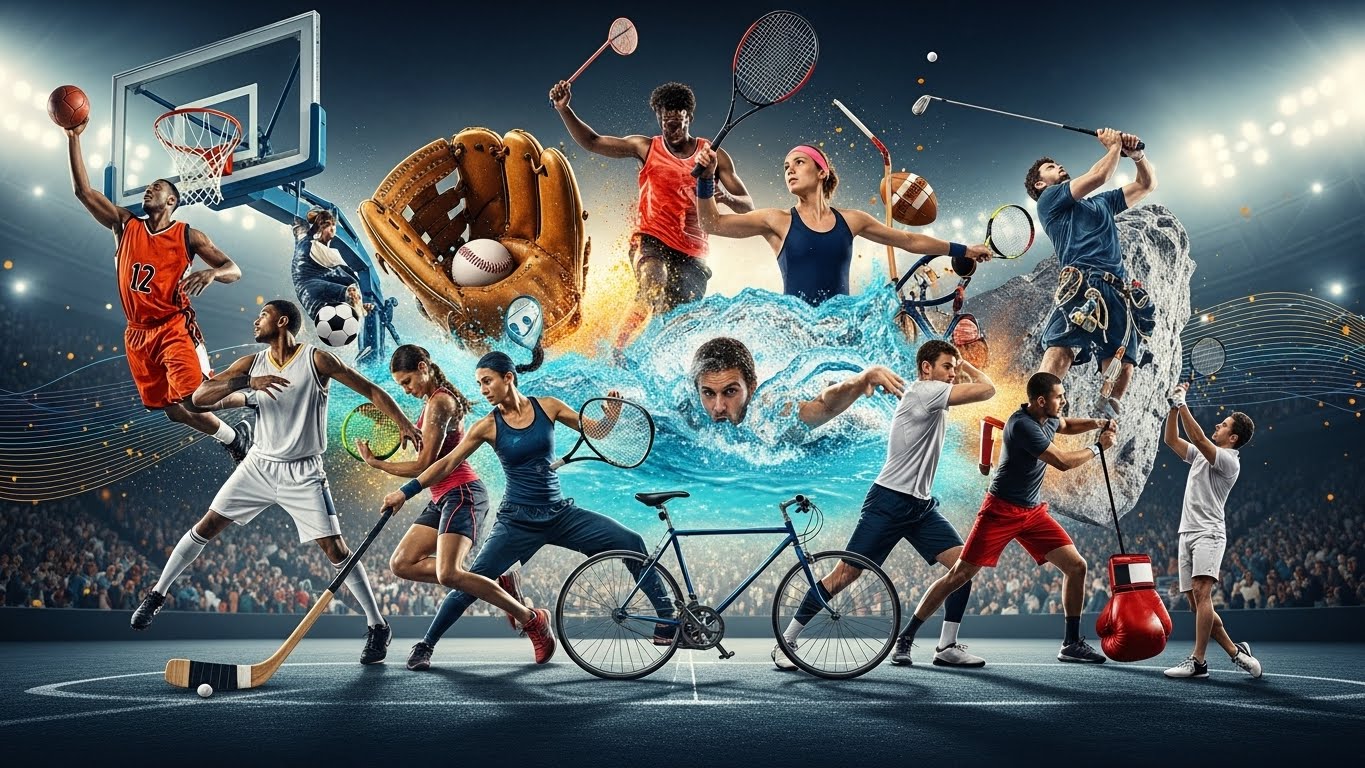
Sports are more than just physical activity; they are a reflection of human culture, ambition, and creativity. They transcend age, gender, and nationality, offering a universal language that connects people across the globe. From informal neighborhood games to professional international competitions, sports influence physical health, mental well-being, social interaction, and even economics. They entertain, inspire, and unite communities, making them an integral part of human experience. In this blog, we will explore the evolution of sports, their cultural significance, benefits, and the role they play in shaping society.
The Origins of Sports: A Historical Perspective
The history of sports can be traced back thousands of years. Early humans engaged in physical contests for survival, hunting skills, and recreation. Activities such as running, wrestling, and throwing were not only practical but also helped establish social hierarchies and build community bonds.
Civilizations like ancient Greece and Rome formalized sports into organized competitions. The Olympic Games, initiated in Greece in 776 BCE, celebrated athletic prowess and spiritual dedication. Similarly, Roman gladiatorial games served as both entertainment and a demonstration of skill and bravery. Over time, sports evolved from simple contests of strength and agility to highly organized disciplines with formal rules, scoring systems, and professional participants.
The Evolution of Modern Sports
The modern era brought significant changes in sports. During the 19th and 20th centuries, industrialization and urbanization created opportunities for organized sports leagues, clubs, and competitions. Sports like football, cricket, basketball, and tennis emerged as structured activities with standardized rules and international followings.
Professionalization transformed sports from casual recreation to careers. Athletes began receiving recognition, sponsorships, and salaries, while fans developed loyalty to teams and players. Technological advancements in equipment, facilities, and training methods further enhanced performance, allowing athletes to achieve feats previously thought impossible. Sports evolved into a global phenomenon that combines entertainment, competition, and cultural significance.
Physical and Mental Benefits of Sports
Engaging in sports provides numerous physical and mental benefits. Physically, regular participation enhances cardiovascular health, muscular strength, flexibility, and coordination. Sports improve endurance, balance, and reflexes, contributing to overall fitness and longevity.
Mentally, sports foster discipline, focus, and perseverance. Team sports teach communication, empathy, and collaboration, while individual sports develop concentration, self-motivation, and resilience. Sports participation also reduces stress, improves mood, and combats mental health challenges such as anxiety and depression. By combining physical and mental development, sports cultivate well-rounded individuals capable of facing challenges both on and off the field.
Sports as a Social and Cultural Force
Sports play a critical role in shaping culture and fostering social connections. They bring communities together, creating shared experiences and collective pride. National and local teams often symbolize cultural identity, uniting people across social, economic, and geographic boundaries.
Cultural traditions heavily influence the popularity of certain sports. For example, cricket dominates South Asia, while basketball is prominent in North America, and soccer enjoys universal appeal. Sports events, festivals, and tournaments provide opportunities for social gatherings, celebrations, and cultural expression. Beyond entertainment, sports serve as a medium for communication, understanding, and cultural preservation.
The Impact of Major Sporting Events
Major sporting events such as the Olympic Games, FIFA World Cup, and international athletics championships have a profound global impact. These events showcase exceptional talent, encourage international collaboration, and foster cross-cultural exchange. Athletes often become ambassadors, inspiring millions with their dedication, resilience, and achievements.
These events also have significant economic implications. Host cities experience boosts in tourism, employment, and infrastructure development. Media coverage expands global interest, while merchandising and sponsorship generate revenue. Major tournaments inspire future generations of athletes, reinforcing the enduring importance of sports in society.
Technology and Innovation in Sports
Technology has revolutionized sports, both in performance and spectatorship. Modern training techniques, wearable devices, and performance analytics allow athletes to monitor and improve their skills. Video analysis and motion capture help refine techniques, while data-driven strategies enhance competitive decision-making.
For spectators, broadcasting, streaming, and virtual reality experiences make sports accessible globally in real time. Technology has also improved fairness, with innovations such as goal-line technology, instant replay, and video refereeing ensuring accurate outcomes. These advancements strengthen sports as both a competitive and entertainment experience, enhancing engagement for players and audiences alike.
Sports as a Catalyst for Social Change
Sports have historically been a powerful tool for social change. Athletes use their platforms to advocate for equality, human rights, and social justice. Iconic figures have challenged racial segregation, gender inequality, and other societal barriers through their participation and public influence.
Community sports programs empower marginalized populations, providing opportunities for education, personal development, and social mobility. Sports promote values such as respect, teamwork, and perseverance, fostering positive behavior and encouraging inclusivity. Beyond competition, sports serve as a platform for creating meaningful social impact.
Economic Significance of Sports
The sports industry is a major contributor to global economies. Professional leagues, sponsorships, broadcasting rights, and merchandising generate billions of dollars annually. Sports tourism and local events provide employment and stimulate regional economies.
Investment in infrastructure, training, and talent development ensures the long-term growth of the industry. The business side of sports also drives innovation in marketing, technology, and fan engagement, demonstrating that sports are not just cultural activities but also powerful economic engines.
The Psychological Thrill of Spectating
Watching sports is an emotionally engaging experience. Fans experience excitement, anticipation, and joy while supporting teams and athletes. Spectators often form deep connections with teams, creating a sense of belonging and identity.
The unpredictability of competition, moments of excellence, and displays of resilience captivate audiences. Shared experiences of cheering, celebrating victories, and enduring losses foster community bonds. The emotional and psychological impact of sports spectating highlights the universal appeal and cultural significance of athletic events.
Youth Participation and Sports Education
Involving young people in sports promotes holistic development. Schools and community programs teach physical fitness, teamwork, leadership, and discipline. Early engagement encourages the cultivation of talent and provides a foundation for professional athletic careers.
Youth sports instill values such as fair play, perseverance, and respect for rules. They also nurture confidence, problem-solving skills, and social abilities. Encouraging participation from a young age ensures the sustainability and evolution of sports, shaping future generations of athletes and fans.
Women in Sports: Achieving Equality
Women’s participation in sports has grown tremendously, challenging traditional gender norms. Female athletes excel in football, athletics, basketball, and countless other disciplines, inspiring inclusion and recognition.
Increased media coverage, funding, and support for women’s sports promote equality and empowerment. Celebrating female athletes’ achievements encourages participation, strengthens representation, and fosters a more inclusive sports culture. Women’s sports demonstrate that talent, dedication, and passion are universal, transcending gender barriers.
Emerging Trends in Sports
The future of sports is shaped by innovation and adaptation. Esports, for example, has emerged as a competitive digital arena attracting global audiences. Technology-enhanced training methods, virtual reality, and wearable analytics are redefining performance standards.
Sustainability is also gaining importance, with environmentally conscious stadiums, eco-friendly events, and responsible resource management becoming priorities. The integration of technology, inclusion, and environmental responsibility points toward a more advanced and socially aware sporting world.
Conclusion: Sports as a Pillar of Human Experience
Sports are a vital part of human life, offering physical, mental, social, and cultural benefits. They inspire passion, foster unity, and teach lessons that extend far beyond the playing field. From youth engagement to professional competition, from local games to global tournaments, sports influence societies and shape identities.
As technology, inclusivity, and innovation continue to evolve, sports will remain a dynamic force that connects people, inspires excellence, and promotes positive change. Sports are not merely games—they are a reflection of human potential, resilience, and the enduring spirit of competition. They entertain, challenge, and unite humanity, proving that the impact of sports extends far beyond the scoreboard.