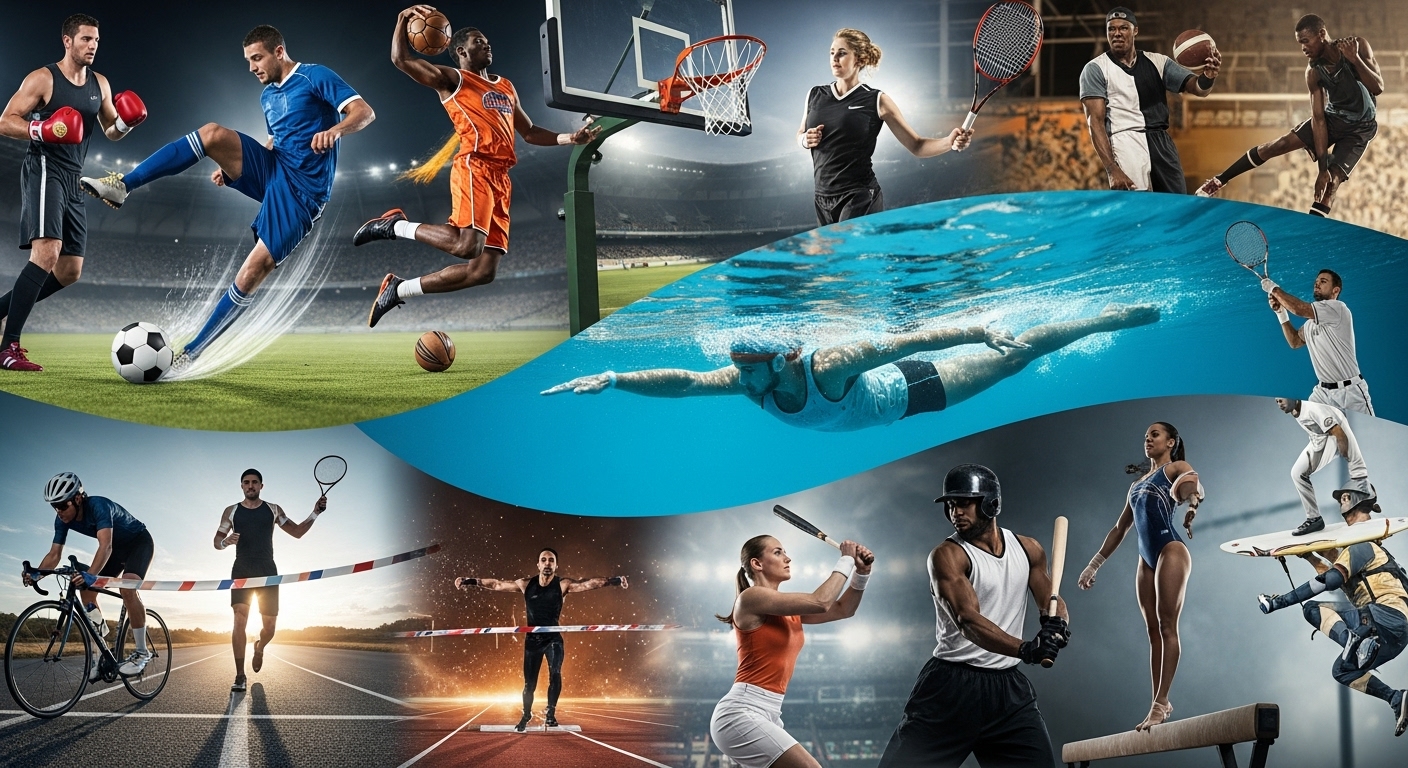
Sports are much more than just competitions or pastimes. Whether it’s a local basketball game or the global spectacle of the Olympics, sports have the power to teach us important life lessons that reach far beyond the field, court, or track. From discipline and teamwork to resilience and leadership, sports are a microcosm of life itself. In this blog post, we will explore the deeper impact that sports have on individuals and communities, and how they shape our character in ways we may not always realize.
The Role of Discipline in Sports
One of the most immediate lessons sports teach is discipline. Athletes spend countless hours honing their skills, training their bodies, and perfecting their technique. Success doesn’t come without hard work, consistency, and sacrifice. Whether it’s waking up early for practice, pushing through physical pain, or sticking to a strict training regimen, sports require a level of discipline that mirrors the demands of everyday life.
This discipline is not only about physical effort; it’s also about mental focus. Athletes must make countless decisions under pressure, and staying mentally sharp is just as important as being physically fit. In this sense, sports can prepare individuals for the challenges they face outside the game, from work to personal relationships.
Teamwork and Collaboration
At the heart of most sports is teamwork. While individual achievement is often celebrated, no athlete can succeed alone. Whether it’s a soccer team working together to score a goal or a relay team passing the baton, teamwork teaches valuable lessons about collaboration, communication, and mutual respect.
In the world of sports, you quickly learn that success is often the result of collective effort, not individual brilliance. A great pass, a perfectly timed block, or a well-executed strategy often goes unnoticed compared to the points scored, but these small contributions are just as vital to the team’s success. Team sports teach you to trust others, share responsibilities, and work together toward a common goal—lessons that are equally important in personal and professional life.
Learning Resilience Through Failure
In sports, failure is inevitable. No one wins every game, and every athlete faces setbacks—whether it’s an injury, a missed opportunity, or simply a bad performance. But it’s how athletes respond to failure that sets them apart.
Sports teach us resilience—the ability to bounce back after setbacks and keep moving forward. Losing a match or falling short of a goal doesn’t mean the journey is over. Instead, it provides an opportunity for growth. Athletes learn to analyze their mistakes, adjust their approach, and come back stronger. This resilience is crucial not just in sports, but in life. Whether in personal challenges, career setbacks, or unexpected obstacles, the ability to keep going despite adversity is one of the most important skills we can develop.
Leadership and Taking Responsibility
Sports also teach valuable leadership lessons. Whether you’re the team captain or not, the dynamics of sports naturally place individuals in positions where they must take charge, motivate others, and make tough decisions. Leadership in sports isn’t just about giving orders; it’s about setting an example, inspiring confidence, and supporting your teammates.
In many ways, athletes learn that true leadership is about taking responsibility, even when things aren’t going well. Leaders in sports are often the ones who rally the team after a loss, encourage others when spirits are low, and remain calm under pressure. These leadership skills are transferable to almost any area of life, whether you’re managing a team at work or guiding a family through a difficult time.
The Importance of Mental Toughness
Physical prowess is often the first thing people think of when it comes to sports, but mental toughness is just as critical. Athletes face intense pressure and stress, from competing in front of thousands of fans to dealing with the mental strain of training. The ability to stay focused, composed, and confident during high-pressure situations is a skill that can be developed through sports.
Mental toughness helps athletes perform when the stakes are highest and can often be the difference between success and failure. Beyond sports, mental toughness can help individuals navigate the challenges of daily life, from handling stressful work situations to managing personal difficulties. Developing a strong mental game is one of the most valuable takeaways from sports.
Building Community and Connection
Sports have an incredible ability to bring people together. Whether it’s the local community supporting a youth soccer team or a country uniting behind its national team, sports foster a sense of connection and belonging. The shared experience of cheering for a team, celebrating a victory, or comforting each other after a loss creates strong social bonds that go beyond the game.
For many, sports are a form of cultural expression, a way to connect with others who share similar values or interests. The sense of belonging that comes from being part of a team, or simply being a part of a fanbase, can have a profound impact on one’s sense of identity and community.
The Health Benefits of Sports
Beyond the emotional and social benefits, sports also contribute significantly to physical health. Regular participation in sports helps improve cardiovascular health, build muscle strength, enhance flexibility, and increase overall fitness.
The positive effects of exercise are well-documented, and participating in sports is one of the most enjoyable ways to stay active. Whether it’s the adrenaline rush of a competitive match or the simple joy of playing with friends, sports promote physical activity in a way that is fun, engaging, and sustainable.
Conclusion: Sports as a Life School
Sports are not just about competition—they are a powerful tool for personal development. From teaching discipline and resilience to fostering teamwork and leadership, the lessons learned on the field are lessons that can shape our lives long after the final whistle blows. The benefits of sports extend far beyond physical fitness; they offer a unique opportunity to grow as individuals, build meaningful connections, and gain life skills that will last a lifetime. So next time you lace up your shoes or pick up a ball, remember that you’re not just playing a game—you’re learning valuable lessons that will help you navigate life’s challenges with confidence and resilience.