
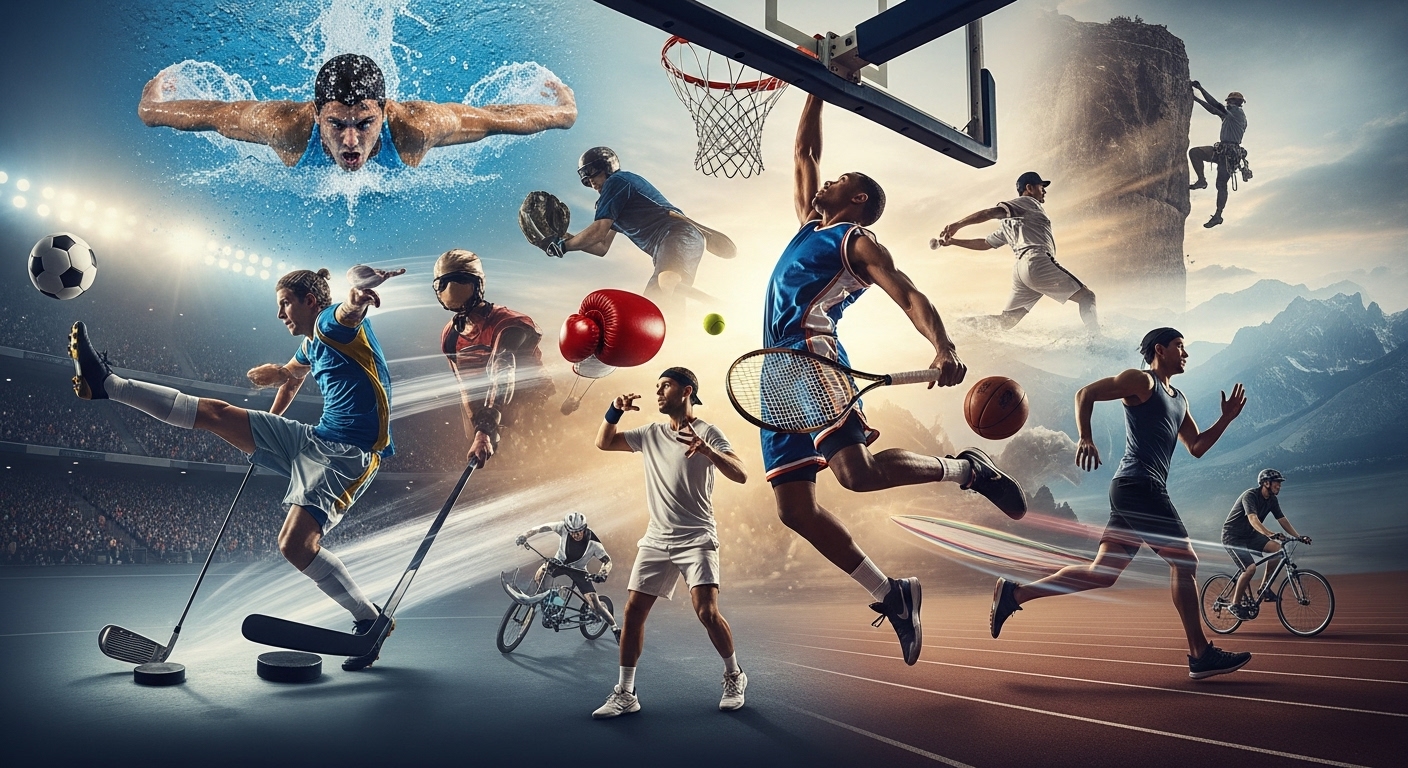
Sports are much more than mere competitions or entertainment; they are a part of the human experience, shaping our cultures, identities, and even our dreams. From a childhood pickup game to the world’s most prestigious tournaments, sports are a universal language that transcends borders, beliefs, and backgrounds. They connect us to each other and to something greater—whether that’s personal growth, community, or the thrill of a challenge. In this post, we’ll explore why sports hold such a unique place in society and how they impact not just individuals, but entire cultures.
Sports: A Common Language for All
What makes sports so captivating is their universal nature. Regardless of where we are from or the language we speak, sports have an innate ability to bring people together. Take a soccer match in a dusty field in a rural town or a grand final in a packed stadium—sports transcend all barriers. The excitement of a goal, the tension of a last-minute point, and the collective cheer of a crowd are feelings everyone can understand.
The global popularity of events like the Olympics or the FIFA World Cup showcases the power of sports to unite people from every corner of the globe. Countries with diverse histories, cultures, and languages come together to celebrate their athletes, their teams, and the spirit of competition. Sports help us realize that while our differences are vast, the emotions and passions we share in the pursuit of victory are deeply human. Through sports, we see how much we are alike despite our differences.
The Power of Personal Development Through Sports
For those who participate in sports, the benefits go far beyond physical health. Playing a sport teaches important life skills such as discipline, teamwork, time management, and resilience. Whether you are on a soccer field, a tennis court, or a basketball court, the challenges you face through sports mirror those in everyday life. Every game offers an opportunity to push past your limits, deal with adversity, and grow both physically and mentally.
Athletes learn the importance of consistency. They must train for hours, focus on their nutrition, and maintain mental clarity in the face of pressure. The road to becoming great at any sport is long, and it’s a journey full of setbacks and victories. This process of trial and error, success and failure, builds resilience—a trait that is invaluable in all aspects of life.
Moreover, sports encourage a growth mindset, where failure is viewed not as an endpoint but as part of the learning curve. For young athletes especially, this mindset is fundamental in developing confidence, self-esteem, and a sense of accomplishment. It’s about improvement, not perfection.
Health Benefits Beyond the Physical
While the physical benefits of playing sports are widely known—improved cardiovascular health, stronger muscles, better flexibility—sports also play an important role in enhancing mental well-being. The psychological benefits that come from physical activity are equally significant, contributing to stress relief, improved mood, and reduced anxiety.
Engaging in sports releases endorphins, which are chemicals in the brain that make us feel good. This is why physical activity is often recommended as a way to combat depression and anxiety. The focus required in a game helps participants break free from daily worries and immerse themselves in the moment. When playing sports, people are able to achieve a mental state of flow, where everything else fades away, and they can give their full attention to the game.
Moreover, sports often involve social interaction, whether it’s with teammates, coaches, or fellow fans. These social connections are key to mental health, offering a sense of community and belonging. Many find that sports provide an outlet for building relationships, whether it’s sharing a victory with teammates or bonding over a game with friends.
Sports and Society: A Reflection of Our Values
Beyond the physical and mental benefits, sports also reflect the values and challenges of society. They are a lens through which we can view the prevailing social issues of any given time. Over the years, sports have been at the forefront of movements for equality, justice, and human rights.
For instance, athletes like Muhammad Ali, Billie Jean King, and Colin Kaepernick have used their platforms not just for sport, but to bring attention to racial inequality, gender disparities, and social justice. Their courage to stand for what they believe in has made a lasting impact on both the sporting world and society at large. Sports have proven to be an effective vehicle for social change, where the stories of athletes transcend the game and resonate with wider social movements.
In addition to breaking down social barriers, sports also offer an arena for celebrating diversity. Women’s sports, LGBTQ+ athletes, and athletes from marginalized communities have all played important roles in changing the narrative and making sports more inclusive. Today, sports continue to challenge norms, rewrite history, and push for a more equitable world, both on and off the field.
The Thrill of Competition: More Than Just Winning
One of the most alluring aspects of sports is the thrill of competition. Whether you are competing at the highest level or simply playing for fun, there is an undeniable excitement in the challenge itself. The joy of scoring a point, executing a perfect play, or even outlasting your own limits is what makes sports so engaging.
But beyond the thrill of competition lies a deeper lesson: sports teach us how to handle both success and failure. Victory feels sweet, but losing provides valuable lessons too. The resilience to bounce back from defeat, the grace to accept challenges, and the ability to keep striving towards improvement are all integral parts of the athletic journey. These are the values that carry over into life, where setbacks and challenges are part of the process, not obstacles to be feared.
In sports, the journey is just as important as the destination. For athletes, the process of pushing themselves toward excellence is as rewarding as the trophy they might win. The true essence of competition is not simply winning, but the pursuit of one’s best self.
The Business of Sports: A Double-Edged Sword
While sports have deep cultural, social, and personal significance, they also exist within a larger commercial context. Professional sports have evolved into a multi-billion-dollar industry, with lucrative sponsorships, media deals, and endorsements. Leagues, teams, and individual athletes have become global brands, reaching audiences across continents.
This commercialization has transformed the way we consume sports. Major sporting events like the Super Bowl, the World Cup, or the Champions League Final are not only about the game itself, but also about the spectacle, the entertainment, and the business surrounding them. Sponsorships, advertisements, and merchandise have created an entire ecosystem where sports are big business.
While this financial success has provided opportunities for athletes, it has also led to concerns about the pressure it places on them. The need for continuous performance, the commercialization of the athlete’s image, and the balance between entertainment and sport can sometimes cloud the original purpose of the game. As sports become increasingly intertwined with business interests, the question remains whether the pure essence of sports—the passion, the competition, and the spirit of the game—can remain intact.
Conclusion: The Everlasting Impact of Sports
Sports are so much more than games. They are a fundamental part of human existence that offer a multitude of benefits: personal growth, mental health improvement, community building, and social change. They challenge us to be better, to push our limits, and to connect with others in meaningful ways. From the excitement of a competitive match to the quiet moments of reflection after a game, sports have a unique ability to inspire and transform.
Whether we are players, fans, or casual observers, the impact of sports is felt in our lives every day. They remind us of the importance of resilience, teamwork, and striving for greatness. As long as we continue to play, watch, and cheer, sports will remain a vital part of who we are—unifying us in ways that go beyond the field and into the heart of humanity.