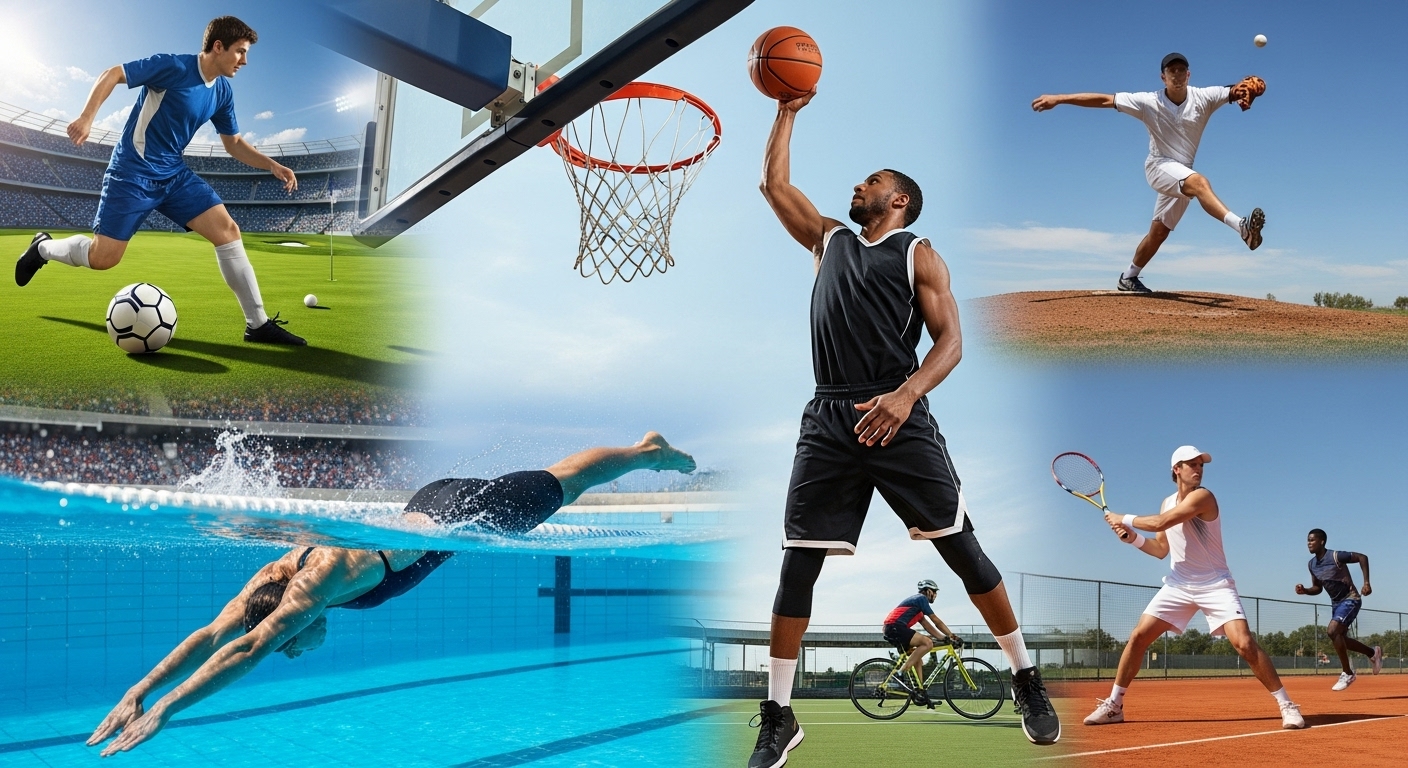
Sports are more than just games. They are a universal language that transcends geography, culture, and age. From the roar of a packed stadium to a group of children playing in a dusty street, the spirit of sport unites people in ways few other things can. Whether it’s professional competition or casual recreation, sports embody passion, discipline, teamwork, and resilience. They serve as a mirror reflecting human potential, emotion, and the endless pursuit of excellence.
In this blog, we’ll explore how sports influence individuals, communities, and societies. We’ll look at their role in personal growth, social connection, health, economy, education, and even international diplomacy. Sports are not merely physical contests—they are stories of hope, strength, and transformation.
The Universal Appeal of Sports
No matter where one travels in the world, the language of sports is understood. From cricket in India to soccer in Brazil, baseball in the United States, rugby in New Zealand, and marathon running in Kenya, every nation has a game that defines part of its identity. The beauty of sports lies in their universality—anyone can play, watch, and be inspired, regardless of background or wealth.
Sports are inclusive by nature. They bring together people who might otherwise have nothing in common. A single goal, basket, or point can make millions cheer in unison. The shared joy and disappointment experienced by fans and players create bonds that often last a lifetime.
The global nature of sports has also created powerful cultural exchanges. Athletes who travel the world represent more than themselves—they carry their nations’ pride and traditions. This shared global passion bridges differences and promotes mutual understanding among people of all backgrounds.
The Role of Sports in Physical and Mental Health
At its core, sport is about movement—and movement is life. Engaging in sports keeps the body fit, strong, and agile. Regular physical activity through sports reduces the risk of chronic diseases, improves cardiovascular health, and strengthens muscles and bones. But the benefits extend far beyond the physical realm.
Sports are equally vital for mental health. They release endorphins, the body’s natural mood boosters, which help combat stress, anxiety, and depression. Playing sports teaches individuals to manage emotions, focus on goals, and cope with both victory and defeat.
For young people, sports foster discipline and time management. For adults, they offer a break from daily pressures. For seniors, they maintain mobility and vitality. In essence, sports offer a holistic approach to well-being—nurturing body, mind, and spirit.
Sports as a Builder of Character
Athletics are often described as life’s greatest teacher. Every athlete, from the beginner to the professional, learns lessons that extend far beyond the playing field. Sports teach patience, perseverance, teamwork, and humility.
In sports, success rarely comes easily. Athletes experience failures, setbacks, and injuries. Learning to overcome these obstacles builds mental strength and resilience. Every missed shot or lost game teaches the importance of learning from mistakes and continuing to strive for improvement.
Team sports, in particular, develop communication and cooperation. Players learn to rely on one another, share responsibility, and celebrate collective achievement. Even individual sports instill self-discipline, focus, and accountability.
Many of life’s essential virtues—respect, fairness, integrity—are developed through sports. These qualities make athletes not only better competitors but also better human beings.
The Social Power of Sports
Sports possess a remarkable power to bring communities together. Whether it’s a local tournament or an international championship, games create shared experiences that unite people across social and cultural divides.
Communities rally behind local teams, and that shared enthusiasm fosters belonging. In neighborhoods, sports can reduce isolation and create opportunities for friendship. On a larger scale, sporting events generate national pride. When athletes represent their countries, they carry the hopes of millions, becoming symbols of unity and identity.
Major sporting events such as the FIFA World Cup or the Olympics serve as global celebrations of peace and diversity. Nations that may differ politically or culturally come together under a banner of fair play. For a brief time, the world feels united, bound by mutual respect for talent and hard work.
Sports and Education: A Powerful Combination
Sports and education go hand in hand. Schools and universities around the world integrate athletic programs not just to encourage fitness but to build well-rounded individuals.
Students who play sports often develop stronger leadership and time management skills. They learn how to balance studies and practice, fostering a sense of discipline. Educational institutions use sports to teach teamwork, responsibility, and perseverance—values that are critical for success in life.
Scholarships in sports have opened doors for many talented athletes who might otherwise not afford education. Moreover, sports create a pathway for careers in coaching, sports science, management, and media. In many ways, sports are as much about learning as they are about competition.
The Role of Coaches and Mentors in Sports
Behind every great athlete is a coach who helped shape their journey. Coaches do far more than teach techniques; they nurture confidence, motivation, and resilience. A good coach understands that sports are not only about winning but about personal growth.
Mentors in sports help young athletes navigate challenges, stay disciplined, and develop character. They inspire belief in potential even when results are not immediate. Many athletes credit their success not just to natural talent but to the guidance and encouragement of their coaches.
In community settings, coaches also serve as role models, especially for youth. They demonstrate the importance of hard work, respect, and teamwork—values that extend beyond sports into everyday life.
Women in Sports: Breaking Barriers and Redefining Limits
The growth of women’s participation in sports is one of the most significant achievements in modern athletic history. For decades, women fought for recognition and equal opportunities in sports. Today, their achievements inspire millions around the globe.
From Serena Williams in tennis to Megan Rapinoe in soccer, from Simone Biles in gymnastics to Naomi Osaka and countless others, female athletes have proven that excellence knows no gender. Women’s sports are gaining greater visibility, funding, and fan support than ever before.
However, challenges remain—such as disparities in pay, media coverage, and sponsorships. The fight for equality continues, but every record broken and every championship won moves the world closer to true balance. Women in sports are not only redefining physical achievement but also social expectations.
Sports as a Catalyst for Social Change
Sports have long served as a platform for social and political expression. Athletes, as public figures, often use their visibility to raise awareness about important issues such as racial equality, gender rights, and justice.
Historic moments like Muhammad Ali’s stance against war, Tommie Smith and John Carlos raising their fists at the 1968 Olympics, and modern movements led by athletes speaking out on global issues show that sports can influence more than games—they can influence minds.
Sports amplify voices that might otherwise go unheard. When athletes speak, the world listens, and that power has led to real-world change. Sports, therefore, become not just a reflection of society but an instrument of transformation.
The Business of Sports: A Global Industry
Sports have grown into one of the largest industries in the world, generating billions in revenue annually. From sponsorship deals to broadcasting rights, merchandising, and tourism, sports fuel global economies.
Major tournaments attract millions of viewers, create jobs, and boost local economies. Cities hosting global events often undergo infrastructure development, leading to long-term benefits.
However, commercialization also brings challenges—issues like corruption, exploitation, and over-commercialization threaten the integrity of sports. Maintaining a balance between profit and passion is essential for preserving the spirit of athletic competition.
Sports and Technology: A New Era of Innovation
Technology has transformed the way sports are played, watched, and experienced. From data analytics to wearable sensors, athletes now use science to optimize performance and prevent injuries.
Instant replays, goal-line technology, and video-assisted refereeing have increased fairness in competitions. Fans also experience sports differently through live streaming, virtual reality, and interactive platforms.
Social media has given athletes direct communication with fans, building global communities around sports. The combination of technology and athletics is pushing boundaries and creating new opportunities for growth and engagement.
Youth and Sports: Building the Next Generation
The future of sports lies in the hands of young athletes. Encouraging youth participation is vital not just for discovering talent but for building healthy lifestyles and positive values.
Youth sports teach teamwork, confidence, and leadership. They also provide structure and purpose, steering young people away from negative influences. Schools and community organizations play a crucial role in promoting accessible sports programs for all children, regardless of economic background.
When kids play sports, they learn how to set goals, face challenges, and respect others. These lessons last far beyond their athletic careers.
The Importance of Fair Play and Ethics
One of the most vital principles in sports is fair play. Sportsmanship—respecting rules, opponents, and officials—is the foundation of any competition. Without fairness, victory loses its meaning.
Athletes and organizations must constantly strive to uphold integrity, avoiding practices like doping, cheating, or corruption. Fans, too, share responsibility by supporting honest competition and rejecting toxic behavior.
Ethical sports create trust, respect, and admiration. They remind us that the true spirit of sports lies not only in winning but in how the game is played.
The Emotional Power of Sports
Few things evoke emotion like sports. The joy of a last-second goal, the heartbreak of defeat, the pride of representing one’s country—these emotions connect people deeply.
Sports stories often mirror human life—filled with struggle, hope, failure, and redemption. Every athlete’s journey represents universal truths about perseverance and courage. Fans see their own dreams reflected in their heroes, which is why victories and defeats are shared experiences.
This emotional connection makes sports timeless. Generations remember moments like a World Cup win, an Olympic record, or a stunning underdog victory. They become part of collective memory and identity.
Sports Diplomacy: Bridging Divides Between Nations
Throughout history, sports have acted as a diplomatic bridge between nations. Events like the Olympics were founded on ideals of peace and unity.
Sports diplomacy allows countries to communicate through competition rather than conflict. When athletes from rival nations compete respectfully, it sends a message of cooperation. Matches between countries have, at times, eased political tensions and built goodwill.
From the “Ping Pong Diplomacy” between the United States and China in the 1970s to joint teams in recent international events, sports have proven to be a powerful tool for promoting peace and understanding.
The Future of Sports: Evolving with the World
Sports continue to evolve with society. The future will bring more inclusivity, technology integration, and global participation. We can expect growth in adaptive sports for people with disabilities, greater gender equality, and even the rise of virtual sports and esports as mainstream phenomena.
Sustainability will also play a bigger role in the coming years, as sports organizations work to minimize environmental impact. Meanwhile, advancements in health science and training will push human performance to new limits.
The future of sports promises to be more diverse, accessible, and interconnected than ever before—reflecting a world that values unity and innovation.
Conclusion
Sports are more than contests of strength or speed. They are about spirit, unity, and the human will to strive for greatness. Across time and cultures, sports have inspired people to dream bigger, work harder, and believe in themselves. They have built bridges between communities, taught values that shape character, and provided joy to billions.
Whether it’s a local football match, an Olympic final, or a quiet morning jog, sports remind us of our shared humanity. They show that while competition can separate us for a moment, the love of the game always brings us back together.
In every victory and defeat, in every cheer and tear, sports tell the timeless story of what it means to be human.