Introduction: More Than Just a Game
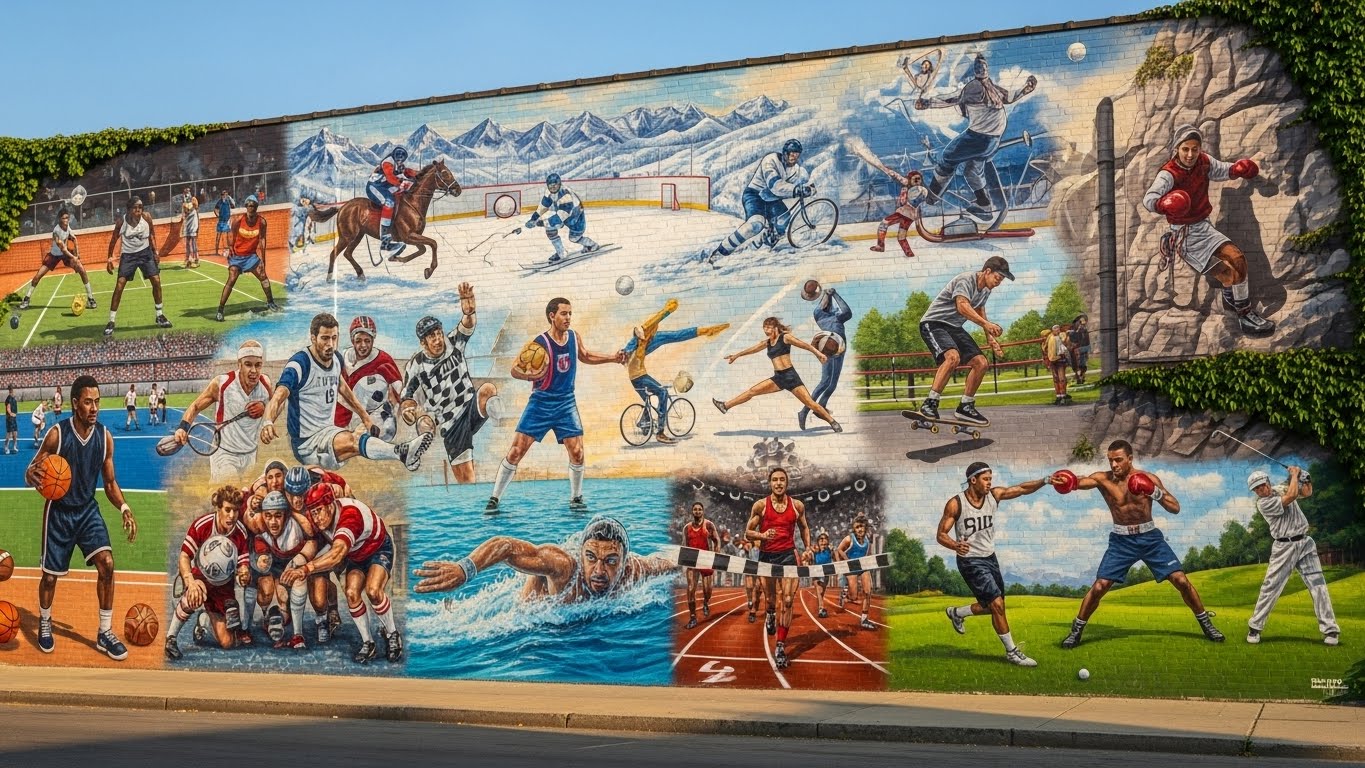
Sports have always been more than a contest of strength, speed, or skill. From dusty playgrounds to grand international stadiums, sports reflect human ambition, discipline, and unity. They bring together people of different backgrounds, languages, and beliefs under a shared passion. While scoreboards record wins and losses, the true impact of sports is written in the lives they touch, the values they teach, and the communities they build. In a world that often feels divided, sports remain one of the most powerful forces for connection and inspiration.
The Historical Roots of Sports
The origins of sports can be traced back thousands of years to ancient civilizations. Early societies used physical competitions not only for entertainment but also for survival training, religious rituals, and social bonding. Ancient Greece celebrated athletic excellence through organized competitions that honored both the body and the mind. In many cultures, traditional sports emerged as expressions of identity, storytelling, and heritage. These early foundations shaped modern sports, proving that competition has always been intertwined with culture and human development.
Sports as a Teacher of Discipline and Values
One of the greatest contributions of sports is the life lessons they teach. Discipline is at the heart of every athlete’s journey. Regular training, strict routines, and continuous improvement require commitment and patience. Through sports, individuals learn the importance of hard work, consistency, and self-control. Losses teach humility, while victories encourage gratitude. Team sports, in particular, emphasize cooperation, respect, and accountability. These values extend beyond the playing field, shaping character and influencing personal and professional lives.
Physical Health and Mental Well-Being
Sports play a vital role in maintaining physical fitness and mental health. Regular participation improves strength, endurance, coordination, and overall body function. Beyond physical benefits, sports are powerful tools for mental well-being. They reduce stress, boost confidence, and provide a healthy outlet for emotions. The focus required during play helps clear the mind, while the sense of achievement enhances self-esteem. For many, sports become a form of therapy, offering balance in an increasingly fast-paced and demanding world.
The Power of Teamwork and Leadership
Team sports highlight the importance of collaboration and shared goals. Every player has a role, and success depends on trust and communication. Through teamwork, individuals learn to support others, accept responsibility, and work toward a common objective. Leadership naturally develops in these environments. Captains and senior players guide, motivate, and set examples for others. These leadership skills often translate into real-life situations, preparing individuals to manage challenges, inspire others, and make thoughtful decisions.
Sports and Youth Development
For young people, sports are a powerful platform for growth and self-discovery. Participation helps children develop motor skills, confidence, and social abilities. Sports teach young athletes how to handle pressure, manage time, and set goals. They also provide positive role models and constructive environments that can steer youth away from negative influences. Schools and communities that invest in sports programs often witness improved academic performance, stronger discipline, and healthier lifestyles among students.
Cultural Identity and National Pride
Sports have a unique ability to represent cultural identity and national pride. When athletes compete on international stages, they carry the hopes and emotions of entire nations. Victories become shared celebrations, while defeats unite people in collective resilience. Traditional sports preserve cultural heritage, while modern competitions showcase national talent and unity. These moments of pride strengthen social bonds and remind people of their shared identity, even during challenging times.
The Economic and Social Impact of Sports
Beyond entertainment, sports significantly influence economies and societies. Sporting events create jobs, promote tourism, and support local businesses. From coaches and trainers to vendors and organizers, sports generate opportunities across multiple sectors. Socially, sports promote inclusion and equality. They provide platforms for raising awareness about important issues and encouraging positive change. Community sports programs, in particular, foster social cohesion by bringing people together and encouraging healthy interaction.
Technology and the Evolution of Modern Sports
Technology has transformed the way sports are played, viewed, and analyzed. Advanced training equipment, performance tracking, and data analysis help athletes reach new levels of excellence. Fans enjoy enhanced viewing experiences through high-quality broadcasts and real-time updates. Technology has also improved fairness through better officiating and rule enforcement. While tradition remains important, innovation continues to push sports forward, making them more accessible and engaging for future generations.
Challenges Facing the World of Sports
Despite its many benefits, the world of sports faces several challenges. Issues such as unfair play, excessive pressure on athletes, and unequal access to resources can undermine the spirit of competition. Young athletes sometimes face burnout due to high expectations, while others lack opportunities because of financial or social barriers. Addressing these challenges requires responsible leadership, ethical standards, and a focus on athlete well-being. Preserving the integrity of sports is essential to maintaining their positive influence.
Sports as a Tool for Unity and Peace
One of the most remarkable qualities of sports is their ability to unite people across differences. On the field, race, religion, and social status fade into the background. What remains is shared passion and respect for the game. Friendly competitions and international tournaments promote understanding and dialogue among nations. Sports diplomacy has often opened doors where traditional communication failed, proving that games can build bridges and promote peace.
The Role of Fans and Community Support
Fans are the heartbeat of sports. Their passion, loyalty, and energy give life to competitions. Cheering crowds motivate athletes and create unforgettable atmospheres. Beyond stadiums, community support plays a crucial role in nurturing local talent. Encouragement from families, schools, and neighborhoods helps athletes pursue their dreams. This strong bond between players and supporters reinforces the idea that sports are a shared experience, not just a performance.
The Future of Sports
The future of sports promises continued growth and transformation. Greater emphasis on inclusivity, mental health, and sustainability is shaping new approaches to competition. Women’s sports are gaining increased recognition and support, inspiring a new generation of athletes. Grassroots initiatives are expanding access, ensuring that talent is nurtured regardless of background. As sports evolve, their core values of fairness, dedication, and unity must remain at the center.
Conclusion: The Lasting Legacy of Sports
Sports are a reflection of humanity at its best and most determined. They teach lessons that last a lifetime, strengthen bodies and minds, and bring people together in powerful ways. Beyond trophies and titles, sports create stories of perseverance, teamwork, and hope. Their true legacy lies not in records broken, but in lives shaped and communities united. In embracing sports, we celebrate not just competition, but the shared human spirit that drives us all forward.