Introduction: The Universal Language of Sports
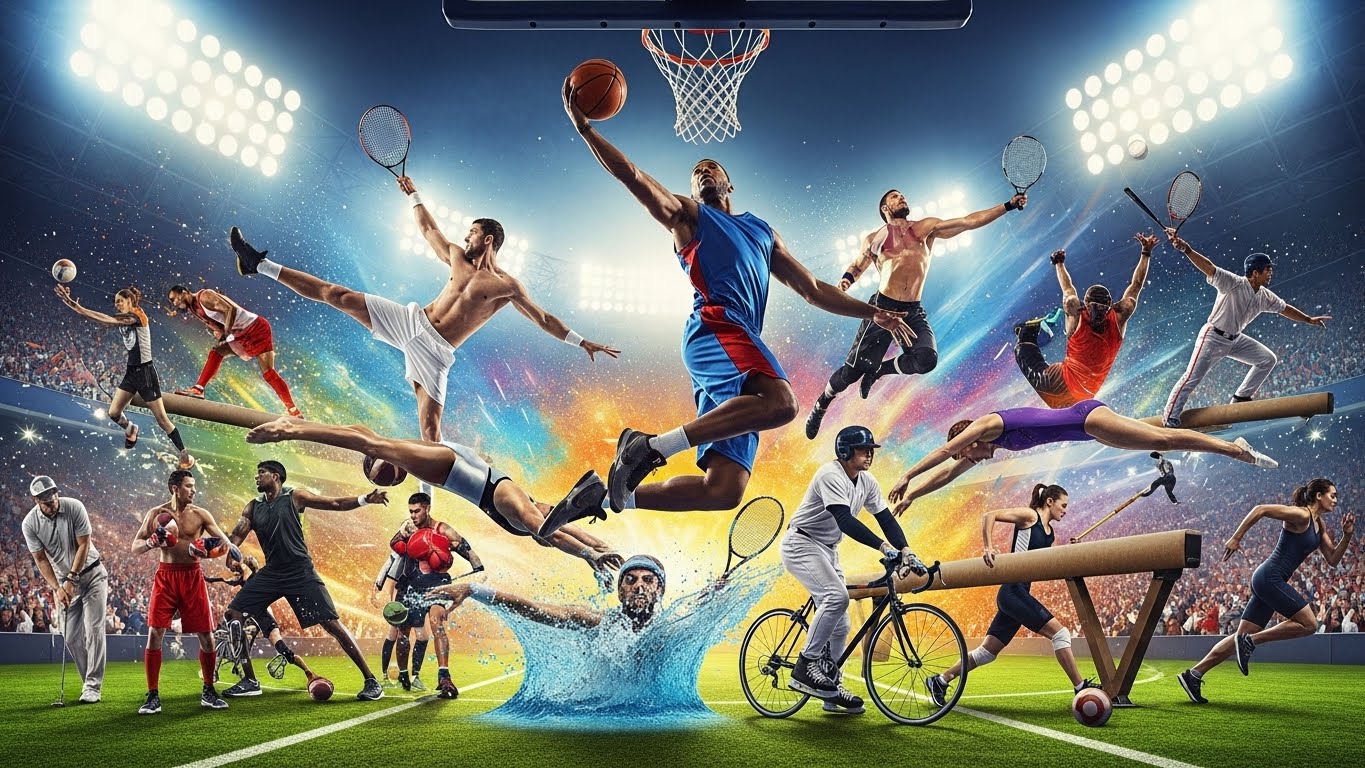
Sports are much more than just physical activities; they are an integral part of human culture, offering entertainment, fostering social connections, and shaping personal and societal values. From the exhilarating moments of the Olympic Games to the thrilling matches of local soccer leagues, sports have a unique power to unite people across cultures, generations, and borders. Whether played professionally or for recreation, sports touch the lives of billions and are a common thread that links humanity.
The global popularity of sports is undeniable. Across continents, from rural communities to urban centers, sports create a sense of belonging and pride. They offer a space for competition, but also for collaboration, teamwork, and personal growth. But how did sports evolve into such a significant part of human life? What are the social, cultural, and economic impacts of sports in the modern world? And what does the future hold for the world of sports? This blog post will explore the multifaceted world of sports, from its rich history to its global impact and future trends.
The History of Sports: From Ancient Traditions to Modern Competitions
Sports have been an essential part of human civilization for thousands of years. While modern sports as we know them today have evolved significantly, their roots can be traced back to ancient times. From early tribal games to organized events in ancient Greece, the history of sports is intertwined with the history of human culture itself.
- Ancient Sports: A Foundation for the Future
The earliest forms of sports can be traced back to ancient civilizations. The Egyptians, Greeks, and Romans, for example, all engaged in athletic activities that were both recreational and ritualistic. The ancient Olympics, which began in Greece in 776 BCE, are among the most famous early sporting events. Initially, the Olympics were part of religious festivals honoring the Greek gods, with athletes competing in events such as running, wrestling, and chariot racing.
In other ancient civilizations, sports were equally important. The Mayan and Aztec civilizations in Central America played ball games that had both sporting and spiritual significance. The Romans enjoyed gladiatorial combat and other games, which were sometimes used to display power and assert dominance. These early sports not only provided entertainment but also reflected the values and beliefs of the societies that practiced them.
- The Middle Ages and Renaissance: Sports as Social Activities
During the Middle Ages, sports took on a more localized form, often tied to regional customs and traditions. Jousting, archery, and horse racing were common activities, particularly in Europe. These sports were often associated with the nobility, as well as the emerging professional classes who sought physical challenges and ways to assert status.
The Renaissance period saw a revival of interest in physical activity and athleticism. With the influence of ancient Greece and Rome, people began to appreciate the value of physical education and organized sport. Public games and competitions began to appear more regularly, and the foundation for modern sports institutions began to take shape.
- The Birth of Modern Sports: The 19th Century Revolution
The 19th century marked the beginning of the organized, standardized sports we recognize today. This period witnessed the creation of many of the major sporting codes and leagues that still thrive today. The Industrial Revolution played a significant role in this transformation, as it increased leisure time and the need for standardized rules for competitions.
In England, sports like football (soccer), rugby, cricket, and tennis became popular, with formalized rules being established for the first time. In the United States, baseball began to take root, and basketball was invented in 1891 by James Naismith in an effort to create a more dynamic indoor sport. These innovations laid the groundwork for the global sports culture we see today.
The founding of major sporting organizations, such as the International Olympic Committee (IOC) in 1896, and the establishment of professional leagues across the world, solidified the role of sports in global culture. The 20th century would go on to see the birth of modern international competitions, culminating in the Olympic Games, World Cup football tournaments, and the rise of professional sports leagues in every corner of the globe.
The Role of Sports in Society: More Than Just Games
Sports are not just about competition; they have far-reaching effects on society. They contribute to personal well-being, shape cultural identity, and even influence economic development. Here’s how sports impact different aspects of life:
- Sports and Personal Health: Physical and Mental Benefits
At the most basic level, sports are vital for maintaining physical health. Regular physical activity through sports improves cardiovascular health, builds strength, and boosts the immune system. Whether it’s running, swimming, or playing team sports like basketball, the physical benefits of exercise are well documented.
But sports offer more than just physical benefits. They also provide significant mental health advantages. Engaging in sports can reduce stress, improve mood, and help manage anxiety and depression. The sense of achievement that comes with mastering a sport or accomplishing a personal goal provides a boost to self-esteem and confidence.
For many people, sports also serve as a form of social connection. The camaraderie experienced through team sports, or the shared experiences of fans supporting their favorite teams, can foster a sense of belonging. Sports can create lasting friendships and build strong community ties.
- Sports as a Unifying Force: Breaking Down Barriers
One of the most powerful aspects of sports is their ability to bring people together, regardless of their background, nationality, or social status. Sports are often used as a tool for unity, promoting peace and understanding in divided communities.
The World Cup and Olympic Games are prime examples of events where people from different nations put aside their differences to celebrate shared human achievement. Athletes often serve as symbols of hope and inspiration, breaking barriers of race, gender, and socio-economic status. Iconic figures such as Muhammad Ali, Jackie Robinson, and Serena Williams have used their platforms to challenge societal norms and fight for social justice.
Sports can also promote inclusivity. Adaptive sports for people with disabilities, such as the Paralympic Games, have opened doors for individuals to participate in sports at the highest levels, fostering a sense of equality and recognition.
- Sports and Cultural Identity: National Pride and Tradition
Sports often play a significant role in shaping national identities. Countries take immense pride in their athletes and national teams, particularly when they perform well on the world stage. This can be seen in the way countries celebrate victories in events like the World Cup or the Olympic Games, where success is a matter of national pride.
In addition to global sports events, local and regional sports have deep cultural significance. Whether it’s sumo wrestling in Japan, cricket in India, or American football in the United States, sports help shape cultural identity and provide a means for people to express national pride.
Sports can also preserve tradition. Many sports, such as Kabaddi in South Asia or Gaelic football in Ireland, have been passed down through generations, becoming integral parts of cultural heritage.
The Business of Sports: An Industry Like No Other
The commercialization of sports has turned them into a global business, with billions of dollars flowing through sponsorships, broadcasting rights, and merchandising. The world of sports is no longer limited to just athletes and fans; it’s a multi-billion-dollar industry that involves businesses, media, sponsors, and fans alike.
- The Financial Power of Sports Leagues
Top-tier professional sports leagues such as the NBA, NFL, Premier League, and Major League Baseball generate staggering revenues through ticket sales, merchandise, and lucrative television deals. Sponsorships, where companies pay to advertise their brands through sports teams and events, are another massive source of income. The global reach of these leagues ensures that sports remain an essential part of the entertainment and advertising landscape.
- The Growth of Sports Media
Sports broadcasting has become an essential part of the media industry. Networks and streaming platforms that offer live sports coverage attract millions of viewers worldwide, driving advertising revenues. Major events like the Super Bowl and Champions League Final are watched by audiences in the billions. The rise of social media has also allowed fans to interact with their favorite teams and athletes in real time, further monetizing the sports ecosystem.
- Athlete Endorsements and Personal Brands
Today, athletes are more than just players; they are global brands. Superstars like Cristiano Ronaldo, LeBron James, and Roger Federer make significant income from endorsement deals with multinational companies. These athletes use their platforms to promote products, shape public opinions, and even start their own businesses. The personal brand of an athlete has become a crucial component of their overall success.
The Future of Sports: Emerging Trends and Innovations
The world of sports is constantly evolving, and several emerging trends and innovations are likely to shape the future of the industry. Technology is playing an increasingly important role in how sports are played, watched, and consumed.
- Sports Technology: Enhancing the Experience
From the use of video assistant referees (VAR) in football to wearable technology that tracks an athlete’s performance, technology is changing how sports are played and evaluated. The use of virtual reality (VR) and augmented reality (AR) could revolutionize the way fans experience sports, offering immersive viewing experiences from the comfort of their homes.