
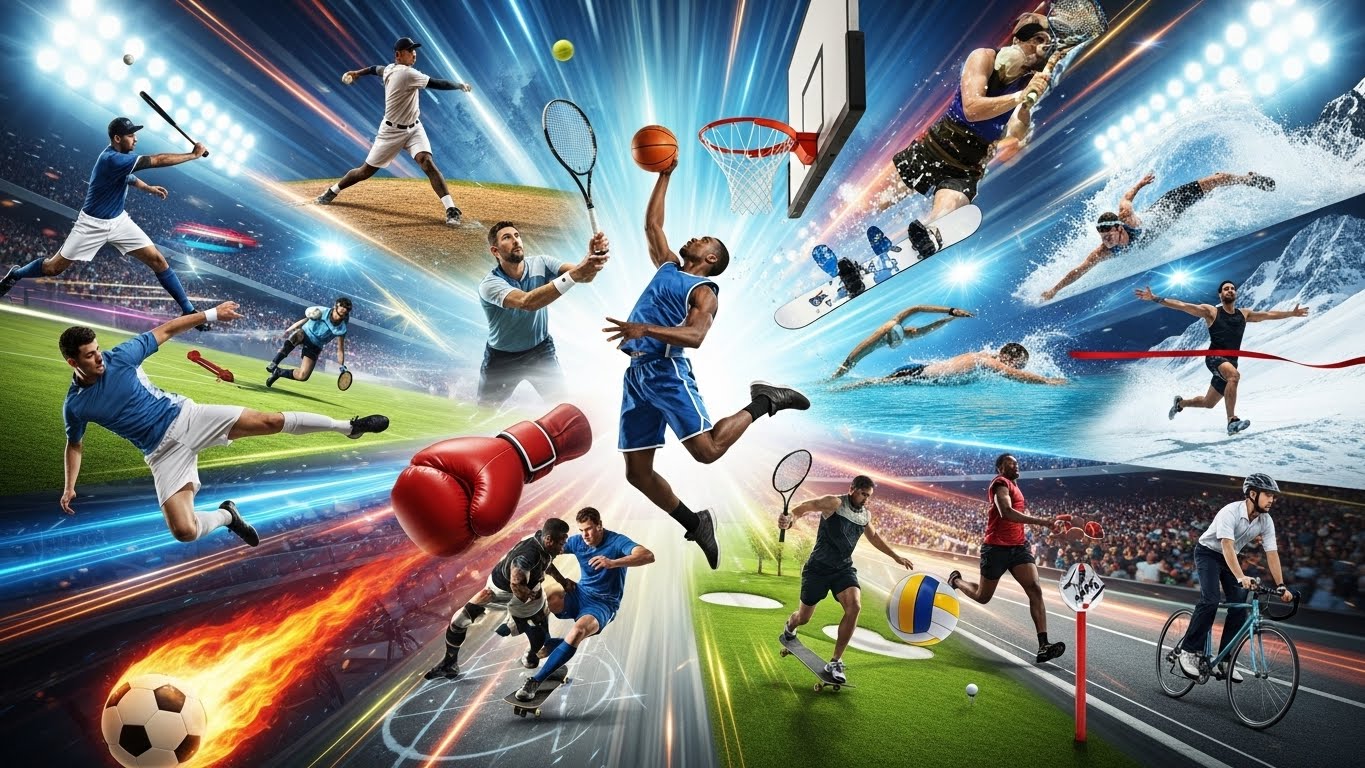
Sports are much more than competitions and trophies. They are a universal language, a cultural cornerstone, and a powerful tool for personal development. Whether played on the neighborhood field, in grand stadiums, or on digital platforms, sports have the remarkable ability to unite people, challenge individuals, and inspire communities. This blog explores the multifaceted impact of sports, covering physical health, mental wellness, social cohesion, and the lessons that extend far beyond the playing field.
The Physical Benefits of Sports
At the most fundamental level, sports are about movement and physical activity. Engaging in sports promotes cardiovascular health, strengthens muscles and bones, and enhances flexibility and endurance. Activities like football, basketball, and swimming demand coordination, stamina, and quick reflexes, which contribute to overall fitness. Even low-impact sports such as yoga, table tennis, or walking-based games improve body mechanics and reduce the risk of chronic illnesses like diabetes, hypertension, and obesity.
Regular participation in sports also stimulates metabolism and supports weight management. Children and adolescents benefit from sports through growth stimulation and the development of motor skills, while adults gain the ability to maintain agility and manage stress. Physical activity through sports is not just about exercise; it cultivates a disciplined lifestyle that encourages better eating habits, sufficient sleep, and long-term health awareness.
Mental Health and Cognitive Benefits
Sports are equally beneficial for the mind. Physical activity triggers the release of endorphins, the body’s natural mood elevators, which help reduce stress, anxiety, and depression. Athletes often describe a “flow state” during games—a state of complete immersion where worries fade, and focus sharpens. This mental clarity can enhance performance not only in sports but also in daily life.
Cognitive development is another key advantage. Team sports require strategic thinking, rapid problem-solving, and anticipation of opponents’ moves, which sharpen mental agility. Individual sports like chess, tennis, or swimming challenge concentration and discipline, strengthening focus and perseverance. Studies show that students who participate in sports often exhibit better academic performance, improved memory, and stronger analytical skills, demonstrating the deep connection between physical activity and cognitive function.
Building Character Through Sports
Sports are a powerful teacher of character. Participation instills discipline, responsibility, and resilience. Athletes learn to set goals, work persistently, and embrace both victory and defeat with grace. Experiencing loss teaches humility, patience, and the importance of perseverance, while winning encourages confidence without arrogance.
Team sports, in particular, foster cooperation, leadership, and empathy. Players must communicate, trust, and support each other to achieve collective goals. Learning to balance personal ambition with team success is a life skill that translates into professional and personal relationships. Even individual sports cultivate self-motivation, self-reflection, and accountability. These lessons, gained on the field, track, or court, become invaluable tools for navigating life’s challenges.
Sports as a Social Connector
One of the most beautiful aspects of sports is its power to bring people together. Regardless of culture, language, or social status, sports create a shared space where individuals connect through a common passion. Local communities gather around youth leagues, amateur tournaments, and fitness clubs, forging friendships and mutual support networks. At larger scales, national and international competitions foster unity, patriotism, and a sense of belonging.
Sports also bridge gaps in diversity. In mixed-gender leagues, inclusive tournaments, or Paralympic events, individuals learn to appreciate differences, celebrate unique abilities, and champion equality. This social connectivity promotes respect, tolerance, and collaboration in societies that often face division. By creating inclusive environments, sports act as a unifying force that transcends barriers and builds stronger communities.
Economic and Professional Impact of Sports
The world of sports extends far beyond the playing field, influencing economies and creating employment opportunities. Professional sports leagues generate revenue through ticket sales, merchandise, sponsorships, and media rights. Athletes, coaches, medical staff, and administrators build careers around their passion, contributing to economic growth.
Moreover, sports tourism is a growing industry. Fans travel across countries to witness major tournaments, boosting local businesses, hospitality, and infrastructure. Investments in sports facilities, training academies, and fitness centers provide jobs and stimulate urban development. Beyond direct economic benefits, sports cultivate transferable skills like teamwork, leadership, and strategic planning, which prepare individuals for diverse professional paths.
Sports and Technology: A Modern Intersection
Technology has revolutionized sports in recent years. Advanced analytics, wearable devices, and virtual reality enhance training, monitor health, and optimize performance. Video-assisted refereeing, smart equipment, and performance tracking allow athletes to refine skills with unprecedented precision.
E-sports, or competitive gaming, have emerged as a legitimate sporting domain, blending traditional sportsmanship with digital expertise. These platforms encourage strategic thinking, collaboration, and hand-eye coordination, appealing to a new generation of sports enthusiasts. Technology has also expanded access, allowing fans to experience games through live streaming, virtual stadiums, and interactive apps, creating a global community united by shared passion.
Lessons from Iconic Athletes
The stories of legendary athletes inspire millions worldwide. Figures like Serena Williams, Lionel Messi, Usain Bolt, and Michael Jordan demonstrate that dedication, resilience, and continuous improvement lead to extraordinary success. Their journeys often include hardships, injuries, and setbacks, yet their determination to overcome challenges offers powerful lessons for everyone.
Athletes also use their platforms for social change, advocating for equality, education, and environmental responsibility. Sports heroes remind society that influence is not confined to achievements on the field; it extends to the values they embody and the causes they champion. The life lessons learned from observing and emulating athletes are universal, transcending age, culture, and background.
Youth Development Through Sports
For young people, sports are a critical avenue for growth. Participation in youth programs instills discipline, teamwork, and self-confidence. It provides a structured environment where children learn to respect rules, manage time, and develop interpersonal skills. Sports also encourage curiosity, exploration of talents, and pursuit of passions, which can shape lifelong careers and hobbies.
Furthermore, sports can act as a preventive measure against risky behaviors. Youth engagement in organized physical activities reduces exposure to negative influences, promotes healthy lifestyles, and fosters a sense of achievement. By providing mentorship and positive role models, sports programs play a pivotal role in shaping responsible, confident, and goal-oriented individuals.
Global Sporting Events: Uniting Nations
International tournaments like the Olympics, FIFA World Cup, and Commonwealth Games are more than competitions; they are celebrations of human potential and cultural diversity. Nations showcase athletic excellence while promoting camaraderie, sportsmanship, and global unity. Such events inspire generations, encourage cross-cultural exchange, and foster diplomacy through friendly competition.