Introduction
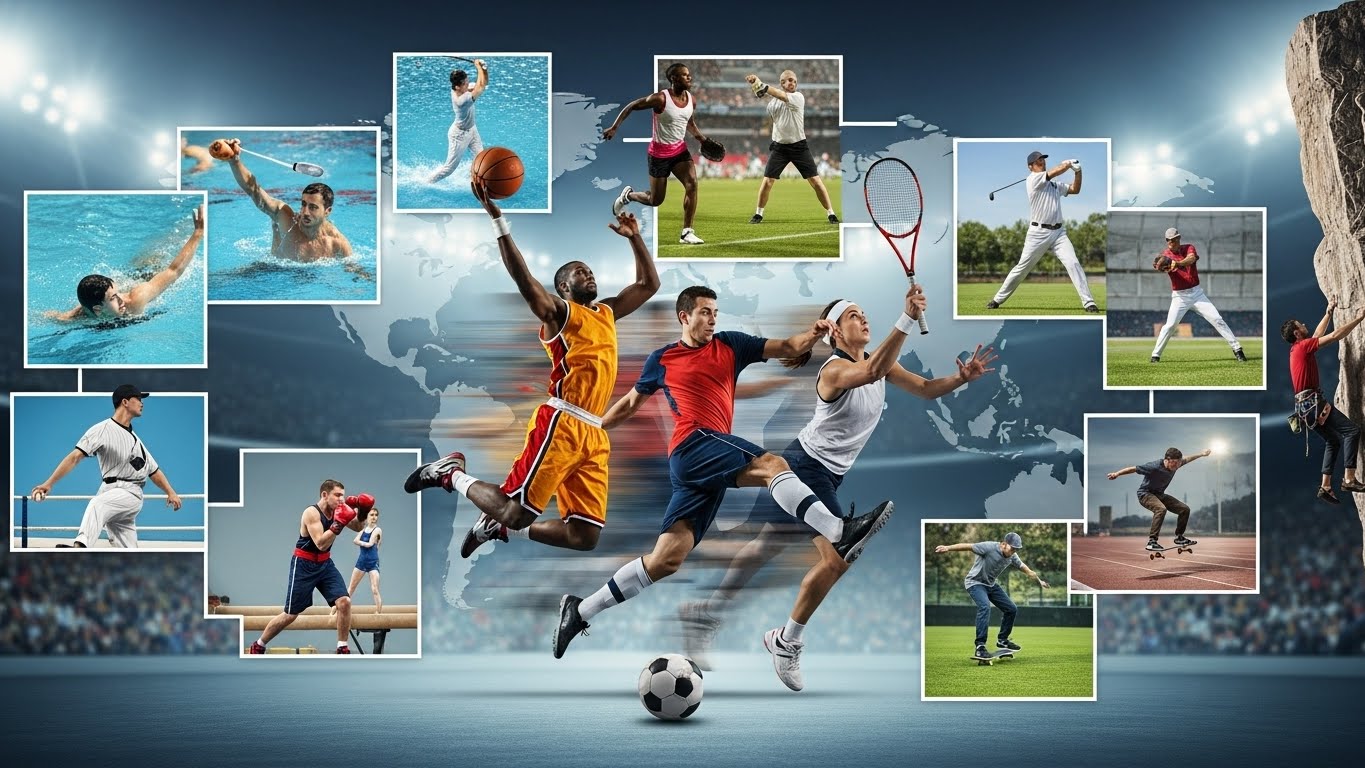
Sports are more than just games; they are a reflection of human spirit, discipline, and social connection. From casual backyard activities to professional global competitions, sports influence health, culture, and society in profound ways. They unite communities, inspire individuals, and challenge people to push their physical and mental limits. This blog explores the impact of sports on physical and mental well-being, culture, economy, technology, and the future of athletic competition.
The History of Sports
Sports have existed throughout human history, evolving alongside civilizations. Ancient societies developed games for training, entertainment, and social cohesion. The Olympic Games in Greece, which began in 776 BC, celebrated physical skill and unity among city-states. Other ancient cultures had forms of wrestling, archery, running, and team-based games, often linked to religious and cultural rituals.
Over centuries, sports transformed into organized competitions with codified rules, leagues, and professional athletes. Modern sports evolved not only for recreation but also as tools to teach discipline, strategy, teamwork, and perseverance. This long history highlights the universal appeal of sports across cultures and eras.
The Cultural Significance of Sports
Sports play a crucial role in shaping culture. They unite people across races, nationalities, and social classes. Major events like the Olympics, the FIFA World Cup, and international championships create shared experiences that transcend geographic and cultural boundaries.
Sports influence art, fashion, language, and social behavior. They inspire films, music, and literature, while also shaping community rituals and traditions. Celebrating victories, honoring legendary athletes, and supporting local teams foster a sense of belonging and collective identity. Sports are more than competition—they are a cultural mirror reflecting society’s values, aspirations, and struggles.
Physical Benefits of Sports
Participation in sports is vital for physical health. Regular activity improves cardiovascular fitness, strengthens muscles and bones, enhances flexibility, and promotes coordination. Sports also aid in weight management and reduce the risk of chronic illnesses like diabetes, hypertension, and obesity.
Different types of sports target various aspects of fitness. Endurance sports, such as running and swimming, enhance stamina. Strength-based sports like weightlifting and gymnastics build muscular development. Team sports, including football and basketball, improve agility, coordination, and overall athleticism. Engaging in sports from a young age instills lifelong habits of physical activity and wellness.
Mental and Emotional Benefits of Sports
Sports are equally important for mental health. Physical activity triggers the release of endorphins, reducing stress and boosting mood. Participation in sports can alleviate anxiety, depression, and fatigue, while improving focus, concentration, and cognitive function.
Sports also teach resilience and perseverance. Athletes learn to cope with wins, losses, and setbacks, developing a growth mindset applicable to everyday life. Team-based sports foster communication, collaboration, and leadership skills, while individual sports enhance self-discipline, confidence, and decision-making. Engaging in sports builds emotional intelligence, mental toughness, and a sense of accomplishment.
Youth Development and Sports
Sports are an essential part of youth development. Participating in athletic activities helps children and teenagers develop discipline, time management, and social skills. They learn how to collaborate with teammates, respect opponents, and follow rules—lessons that extend beyond sports.
Youth sports programs foster inclusivity, encouraging participation regardless of ability, background, or gender. They provide safe spaces for growth, mentorship, and leadership development. Early exposure to sports builds physical literacy, promotes healthy habits, and cultivates a lifelong appreciation for active living.
The Professional Sports Industry
The professional sports industry has grown into a multi-billion-dollar global enterprise. Professional athletes dedicate years to training, skill development, and competition. Leagues, tournaments, and championships attract massive audiences, both in stadiums and through broadcast media.
The economic impact of sports extends beyond ticket sales. Sponsorships, merchandise, media rights, and tourism generate substantial revenue, supporting jobs in coaching, management, marketing, and sports medicine. Professional sports also drive innovation in training techniques, technology, and performance optimization, influencing amateur and recreational athletes worldwide.
Technology and Sports Performance
Technology has revolutionized sports performance and analysis. Wearable devices track heart rate, movement, and energy expenditure, allowing athletes to monitor and optimize their training. Video analysis and motion capture provide detailed insights into techniques, tactics, and biomechanics.
Artificial intelligence and data analytics play a growing role in scouting, performance prediction, and injury prevention. Virtual reality allows athletes to simulate game scenarios, refine skills, and enhance reaction times. Technology also enriches fan engagement, with real-time statistics, immersive replays, and interactive platforms connecting players and audiences globally.
Women in Sports
The participation of women in sports has grown exponentially over the past decades, challenging traditional stereotypes and promoting gender equality. Female athletes now compete at the highest levels, breaking records, winning championships, and inspiring new generations.
Women’s sports leagues and tournaments provide opportunities for professional careers and visibility. Increased media coverage and sponsorship support empower female athletes and encourage youth participation. Celebrating achievements in women’s sports fosters inclusivity, diversity, and recognition of talent irrespective of gender.
Sportsmanship and Ethics
Sportsmanship and ethical conduct are fundamental to the integrity of sports. Fair play, respect for opponents, and adherence to rules foster a positive competitive environment. Ethical considerations also include anti-doping measures, fair officiating, and transparency in professional leagues.
Promoting ethics in sports ensures that competitions are safe, equitable, and enjoyable. Coaches, athletes, and organizations play a role in instilling values like honesty, integrity, and mutual respect. Sportsmanship teaches life lessons that extend beyond athletic performance, shaping character and social responsibility.
Global Sporting Events
Global sporting events, such as the Olympic Games, World Cup, and international championships, have a profound cultural, social, and economic impact. They showcase the pinnacle of athletic talent, inspire national pride, and create opportunities for cultural exchange.
Hosting international competitions stimulates infrastructure development, tourism, and community engagement. Fans experience collective excitement and unity, while athletes gain the opportunity to compete at the highest level. These events serve as platforms for international diplomacy, cross-cultural appreciation, and the promotion of peace and inclusivity.
Sports and Community Development
Sports foster community cohesion by providing shared goals and activities. Local leagues, recreational clubs, and community events bring people together, promoting social interaction, teamwork, and inclusion. Volunteer programs associated with sports enhance civic engagement and social responsibility.
Community-based sports initiatives offer opportunities for youth development, skill-building, and mentorship. They also provide safe and structured environments for physical activity, helping to address social challenges such as crime, youth delinquency, and social exclusion. Sports strengthen communities by creating bonds, celebrating achievements, and promoting shared values.
The Role of Media in Sports
Media plays a crucial role in shaping the global sports landscape. Television, radio, digital platforms, and social media enable fans to follow events, athletes, and teams in real time. Media coverage amplifies the popularity of sports, influencing culture, sponsorship, and fan engagement.
Sports journalism, commentary, and analysis provide insights into performance, strategy, and athletic achievements. Media also plays a role in promoting sportsmanship, diversity, and positive role models. The synergy between media and sports has transformed fan experiences, making global sporting events accessible to audiences worldwide.
The Future of Sports
The future of sports is shaped by technology, innovation, and changing social dynamics. Esports and virtual competitions are gaining recognition, expanding the definition of sports and attracting global audiences. Smart stadiums, wearable devices, and AI-driven training programs will enhance both athlete performance and fan experience.
Sustainability and inclusivity will guide the evolution of sports. Eco-friendly stadiums, reduced carbon footprints, and community-focused initiatives will redefine how sports are organized and celebrated. Diversity, gender equality, and accessibility will ensure that sports continue to serve as a universal platform for human potential and connection.
Conclusion
Sports are much more than games—they are a reflection of human ambition, creativity, and resilience. They inspire, entertain, and educate, shaping individuals, communities, and society. From youth leagues to global championships, sports foster physical fitness, mental well-being, teamwork, ethics, and cultural exchange.
Technological advancements, global connectivity, and social progress continue to transform sports, making them more inclusive, innovative, and engaging. The impact of sports goes beyond winning and losing; it is about growth, unity, and the shared joy of play. Sports empower people, bring communities together, and leave an enduring legacy for generations to come.