
Introduction
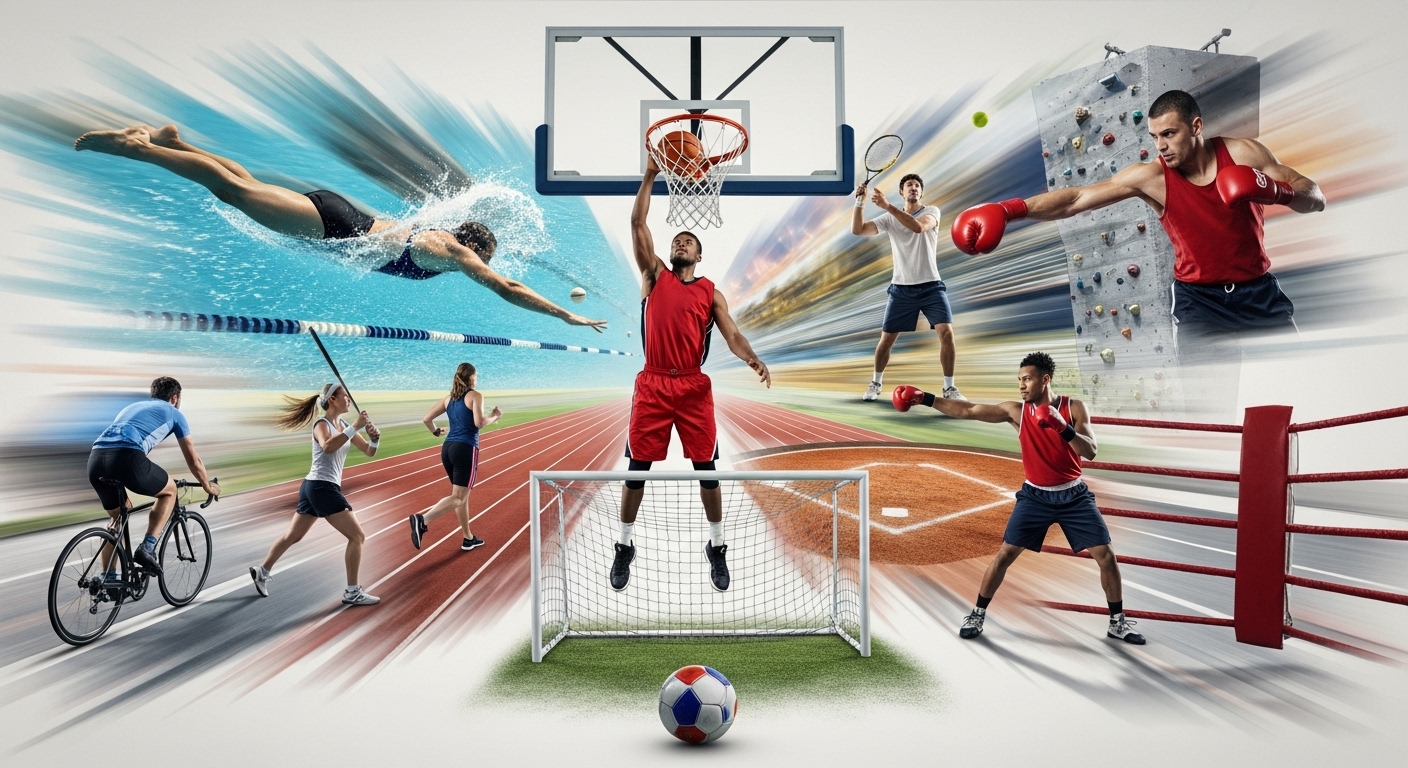
Sports have always been more than just games. From ancient athletic competitions to modern professional leagues, sports have played a pivotal role in shaping culture, society, and personal development. They provide entertainment, teach valuable life lessons, and foster connections among people from diverse backgrounds. Participation in sports builds discipline, teamwork, perseverance, and resilience, while also offering a source of joy, motivation, and community. In today’s world, sports are not only a physical activity but a powerful social force that impacts lives on multiple levels.
The Origins and Evolution of Sports
Sports have existed in some form for thousands of years. Ancient civilizations, such as Greece, Egypt, and China, organized athletic contests for purposes ranging from religious rituals to military training. The original Olympic Games, held in Greece, showcased human strength, speed, and skill while fostering unity among city-states. Over time, sports evolved with standardized rules, organized leagues, and professional structures, giving rise to the modern athletic landscape we know today.
Today, sports span a wide range of activities, from team-based games like football, basketball, and cricket to individual competitions such as tennis, athletics, and swimming. Advancements in technology, media coverage, and infrastructure have turned sports into global spectacles, connecting fans and athletes across continents.
Physical Benefits of Sports
Participation in sports provides numerous physical benefits. Regular activity strengthens the cardiovascular system, builds muscle and bone density, improves flexibility, and enhances overall fitness. Engaging in sports also promotes weight management, reduces the risk of chronic illnesses, and encourages long-term healthy habits.
Sports often require endurance, agility, and coordination, which develop over consistent practice. These physical improvements extend beyond the playing field, contributing to a healthier lifestyle and better quality of life. Sports provide an enjoyable way to maintain fitness while combining competition and recreation.
Mental and Emotional Benefits of Sports
The advantages of sports extend far beyond physical health. Engaging in sports improves mental well-being, reduces stress, and boosts mood. Physical activity releases endorphins, which naturally enhance happiness and alleviate anxiety.
Sports also build focus, resilience, and emotional intelligence. Athletes learn to cope with victories and defeats, manage pressure, and adapt to changing circumstances. The mental discipline gained from sports fosters problem-solving abilities and a growth mindset, empowering individuals to tackle challenges both on and off the field.
Teamwork and Collaboration
One of the most significant life lessons sports teach is the importance of teamwork. In team sports, success depends on cooperation, communication, and understanding each player’s strengths and weaknesses. Football, basketball, and volleyball illustrate how coordination and collective effort lead to shared achievements.
Learning to collaborate in sports translates to valuable life skills. Teamwork teaches conflict resolution, leadership, and negotiation. It also encourages empathy and consideration for others, fostering a sense of responsibility toward a shared goal. Sports provide a real-world environment to practice and internalize these essential social skills.
Personal Development Through Sports
Sports contribute to personal growth by teaching discipline, perseverance, and goal setting. Regular training and adherence to rules cultivate self-control and work ethic. Athletes learn to manage time effectively, balancing practice, competitions, and other responsibilities.
Facing challenges such as injuries, losses, or tough opponents builds resilience. Success in sports is often achieved through consistent effort, patience, and determination, lessons that are applicable in academics, careers, and daily life. Sports also help individuals build confidence and self-esteem by providing opportunities to achieve goals and celebrate accomplishments.
The Role of Competition
Competition is at the heart of sports. It motivates athletes to improve, pushes boundaries, and encourages excellence. Healthy competition fosters respect for opponents, ethical behavior, and fair play.
Competition also drives innovation in training, strategy, and equipment. Coaches develop new techniques, athletes experiment with performance methods, and teams strategize to gain an edge. Spectators enjoy rivalries, record-breaking performances, and the excitement of unpredictable outcomes. Sports competitions, whether local or global, inspire human achievement and bring communities together.
Cultural Significance of Sports
Sports play a crucial role in shaping culture and identity. National teams and athletes often symbolize pride, resilience, and unity. Global events like the Olympics, World Cup, and major tournaments unite people across countries and cultures, creating shared experiences that transcend borders.
Sports influence fashion, music, and media. Iconic athletes inspire trends, while memorable moments are celebrated in films, books, and art. They serve as cultural touchstones, reflecting societal values, aspirations, and collective identity. Sports foster connection, celebration, and expression, impacting communities beyond the arena.
Economic Impact of Sports
Sports are a major economic driver. Professional leagues, clubs, and events generate revenue through ticket sales, broadcasting rights, sponsorships, and merchandise. Local economies benefit from sports tourism, infrastructure development, and event management.
The industry also creates jobs in coaching, training, media, marketing, physiotherapy, and facility management. Entrepreneurs and businesses capitalize on opportunities within sports-related services and products. The economic influence of sports underscores their significance as both a cultural and financial institution.
Technology and Innovation in Sports
Technological advances have transformed the way sports are played, analyzed, and experienced. Equipment, apparel, and training tools are continually improved to enhance performance. Wearable devices track fitness metrics, video analysis helps refine strategy, and innovations in stadium design improve fan experiences.
Technology has also changed how spectators engage with sports. Live streaming, virtual reality, and interactive apps allow global audiences to watch and participate in real-time. These innovations enhance accessibility, provide data-driven insights, and create new ways to enjoy sports.
Sports in Education
Schools and universities recognize the value of sports for holistic development. Physical education and extracurricular sports programs promote fitness, teamwork, and leadership. Student-athletes learn discipline, time management, and responsibility while gaining practical experience in competitive environments.
Scholarships and collegiate competitions offer pathways to higher education and professional sports careers. Sports education also emphasizes ethical behavior, fair play, and social responsibility. By integrating sports into education, institutions prepare students for success in life while promoting physical and mental well-being.
Diversity and Inclusion in Sports
Modern sports increasingly embrace diversity and inclusion. Efforts to promote gender equality, accessibility, and participation across communities make sports more equitable. Women’s leagues, adaptive sports programs, and grassroots initiatives provide opportunities for individuals of all abilities and backgrounds.
Diversity enriches sports by introducing new perspectives, styles, and strategies. Inclusive practices strengthen teams, broaden audiences, and create environments where everyone feels welcome. Sports demonstrate the potential for equality, representation, and empowerment in society.
Social and Community Impact
Sports foster community and social cohesion. Local clubs, recreational leagues, and youth programs bring people together, creating spaces for interaction, mentorship, and collaboration. Sporting events provide opportunities for families, friends, and neighbors to unite, fostering connections across social and cultural divides.
Globally, sports promote social change. Campaigns using sports as a platform raise awareness about health, education, and social issues. Athletes often leverage their influence to inspire positive action and address challenges, demonstrating that sports can extend beyond competition to make a meaningful difference in society.
Challenges Facing Sports
Despite their benefits, sports face challenges. Issues such as doping, corruption, unethical coaching practices, commercialization, and performance pressure threaten integrity and fairness. Injuries, mental health pressures, and burnout affect athletes at all levels.
Addressing these challenges requires strong governance, ethical standards, education, and awareness. Ensuring fair play, protecting athletes’ well-being, and maintaining transparency are essential for sustaining trust, growth, and enjoyment in sports.
The Future of Sports
The future of sports promises continued innovation, inclusivity, and global reach. Emerging technologies like artificial intelligence, virtual reality, and advanced analytics will revolutionize training, performance, and fan engagement. International competitions, digital platforms, and interactive experiences will increase accessibility and participation worldwide.
Sports will continue to serve as a platform for personal growth, social connection, and cultural expression. They will inspire generations to pursue excellence, foster teamwork, and celebrate human achievement. Sports remain a universal language, connecting people across differences and creating experiences that endure across time and place.
Conclusion
Sports are more than games—they are a reflection of human potential, culture, and community. Participation builds physical fitness, mental resilience, teamwork, and personal development. Competition inspires excellence, innovation, and perseverance, while cultural and social engagement strengthens communities and unites nations.
From local playgrounds to global arenas, sports shape lives, influence societies, and provide a platform for achievement, connection, and joy. They teach lessons that extend far beyond the field, preparing individuals to face life’s challenges with discipline, resilience, and determination. Sports are a testament to the power of human effort, collaboration, and aspiration, leaving an enduring impact on both individuals and the world at large.