
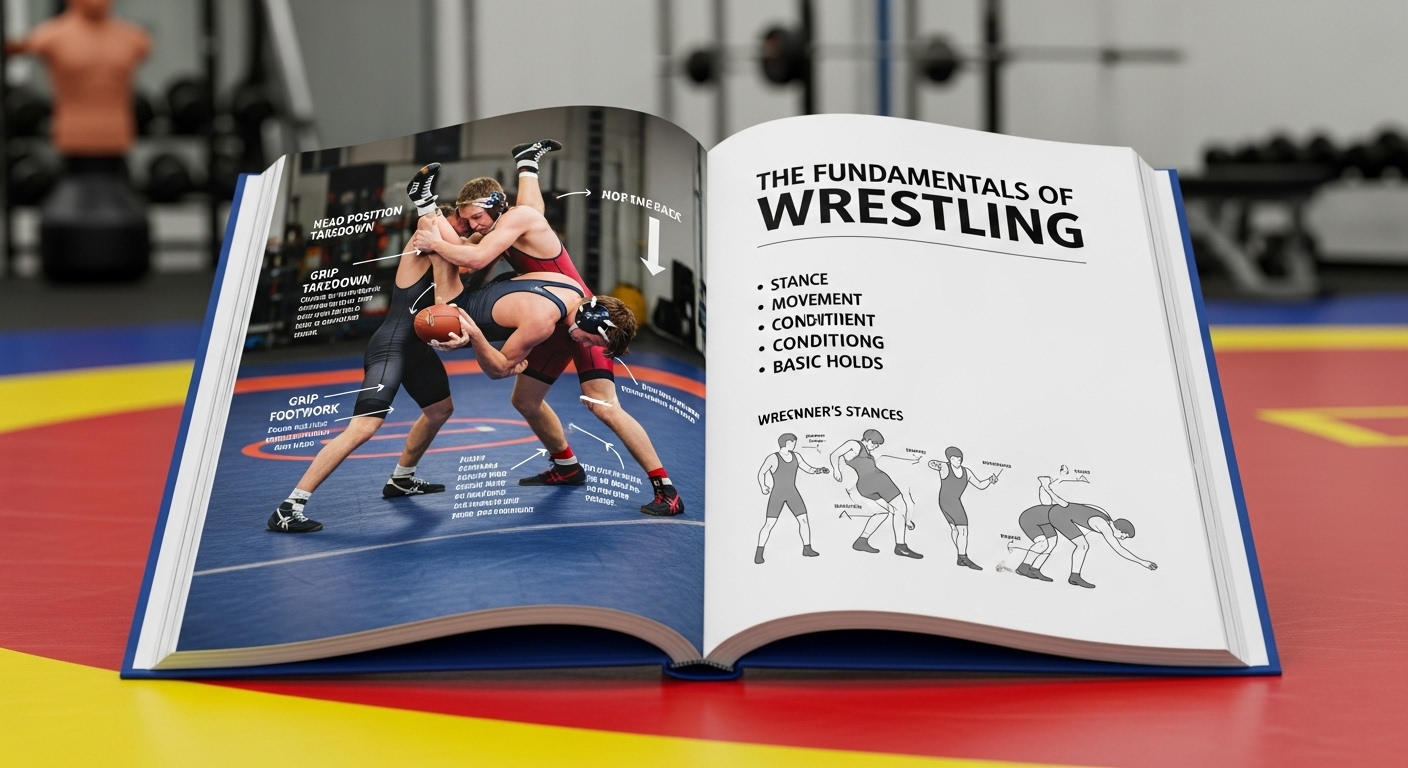
Wrestling is one of the oldest and most respected combat sports, demanding strength, technique, and mental toughness. For beginners stepping onto the mat, mastering foundational techniques is essential for both safety and success. Whether you’re training for competition, fitness, or self-defense, these core wrestling techniques will give you a solid base to build upon.
1. Stance and Footwork
Before diving into moves, it’s crucial to start with the right stance. A good wrestling stance keeps you balanced, ready to attack or defend, and protects you from takedowns.
- How to: Keep your feet shoulder-width apart with knees bent slightly. Your dominant foot should be slightly back. Stay on the balls of your feet to maintain agility.
- Why it matters: Proper footwork allows quick movement and helps you maintain control during a match.
2. The Double Leg Takedown
One of the most effective and common takedown techniques, the double leg takedown involves shooting in on your opponent’s legs to bring them to the mat.
- How to: Lower your level by bending your knees, shoot forward aiming between your opponent’s legs, wrap both arms around their thighs, and drive with your legs to take them down.
- Why it matters: It’s a versatile move that works well against many opponents and sets the pace for your offense.
3. The Single Leg Takedown
Similar to the double leg but targeting only one leg, the single leg takedown is a quick and precise move that can catch your opponent off guard.
- How to: Drop your level, grab one of your opponent’s legs with both hands, and use your body weight to off-balance them while driving forward.
- Why it matters: This technique is less committed than a double leg, allowing for swift changes if your opponent defends well.
4. Sprawl
The sprawl is a defensive technique to counter your opponent’s takedown attempts, especially against shots targeting your legs.
- How to: When your opponent shoots in, kick your legs back and drop your hips toward the mat while pushing their head down with your hands.
- Why it matters: Effective sprawling can neutralize attacks and provide an opportunity for a counterattack.
5. The Stand-Up Escape
If you find yourself underneath your opponent in bottom position, the stand-up escape helps you regain control.
- How to: Post your hands on the mat, create space by pushing your opponent’s hands or hips away, then quickly stand up while maintaining balance.
- Why it matters: Escaping from the bottom position is critical to avoid being controlled and scored upon.
6. The Headlock
The headlock is a fundamental control technique that can lead to pinning your opponent.
- How to: Wrap one arm around your opponent’s head, keeping it tight and close to your body. Use leverage to control their movement.
- Why it matters: It’s a powerful position that restricts your opponent’s mobility and sets up pins or transitions.
7. Bridge and Roll
This move helps you escape when your opponent tries to pin your shoulders to the mat.
- How to: Plant your feet firmly, push your hips upward (bridge), and roll over to your side or back to break free.
- Why it matters: Learning to bridge can save you from being pinned and keep you in the match longer.
Final Thoughts
For beginners, consistency and practice are key. These wrestling techniques form the backbone of your skill set and will help you develop confidence on the mat. Remember to focus on form, stay patient, and always practice with a partner who encourages safe training. Wrestling isn’t just about brute force — it’s about technique, strategy, and heart.